There is a 7-touch rule in marketing: before you can sell something, you need to contact a person 7 times through different communication channels. This is done in order to “warm up” and prepare the user before offering something. We gradually familiarise them with the product, close objections, build trust and then sell.
This is the secret of the funnel’s effectiveness — gradual, unobtrusive interaction and a sale.
What kind of funnels are there for the infobiz?
Funnels come in two types: evergreen (auto-funnels) and launching.
The evergreen-funnel runs continuously 24/7, and provides a continuous flow of traffic for the online project.
And the launch funnel is needed to gather traffic for a specific date or event. For example, you are launching a marathon and you need to collect a lot of applications for it. In this case, a launch funnel is used.
Funnels differ in format as well:
webinar funnel
marathon funnel
lead generation or content funnel
a quiz or test
We will be happy to help you create funnels of any complexity for your goals and objectives
Leave a request online and our specialist will contact you!
Messenger funnels from 4Limes
Work on funnels in messengers consists of 4 stages. At the end of each stage you get a complete product: foundation work, customer journey design, finished tunnel in chatbot platform and setup and maintenance of advertising.
-
1. Structuring the foundation.
-
1.1 Elaboration of the target audience.
-
1.2 Elaborating the customer's pain.
-
1.3 Identification of the product matrix.
-
2. Visualisation of the logical structure on the board.
-
2.1 Development of a funnel strategy.
-
2.2 Development of an entry point hypothesis.
-
2.3 Elaboration of the customer journey through the funnels.
-
2.4 Preparing the structure for writing the copywriting.
-
3. UTP.
-
4. The chain of offers.
-
5. Elaboration of the messaging chain.
-
6. Creation of advertising creatives.
-
7. Approval of design and copywriting.
-
8. Preparing the platform and connecting the messengers.
-
9. Assembling in the chatbot platform: creation of the tunnel, offers, LGT, widgets, forms, subscription buttons, templates, rules, automation, integration, etc.
-
10 Testing (images, links, texts, dates, messenger connections).
-
11 Testing the message chain.
-
12. Setting up the metrics within the platform and preparing links for the RC.
-
13. Creating retargeting pixels and setting them up (preparing the ToR).
-
14. Creating the RC within Facebook.
-
15. Testing of different audiences, selection by indicators.
-
16. Launching traffic.
-
17. Forming a database of bot's answers to typical questions.
-
18. Analyzing indicators and adjusting the tunnel.
-
19 Reporting with conversions. Summarizing preliminary results of the test.
-
20. Scaling up advertising.
-
21. Reporting on the project's outcome.
Why do customers choose us?
It's simple and clear with us. We describe the process of project implementation step by step, and negotiate the budget in advance. Therefore, our customers always know how much and for what they pay. Cooperation scheme:
Filling in a brief, discussing existing resources and business goals.
Approval of advertising objectives, advertising budget, cost of work.
Signing the contract and payment.
Getting input from the client.
Elaboration and approval of the foundation and the chain of offers.
Receipt and implementation of additional recommendations from the agency to improve the result of the advertising campaign.
Working through and approving the client's journey design.
Designing, assembling, testing and approving the sales tunnel.
Approval of advertising formats, texts and advertisements.
Launch of advertising and reporting on the test period.
Running the main ad and scaling up.
Completion report and recommendations.
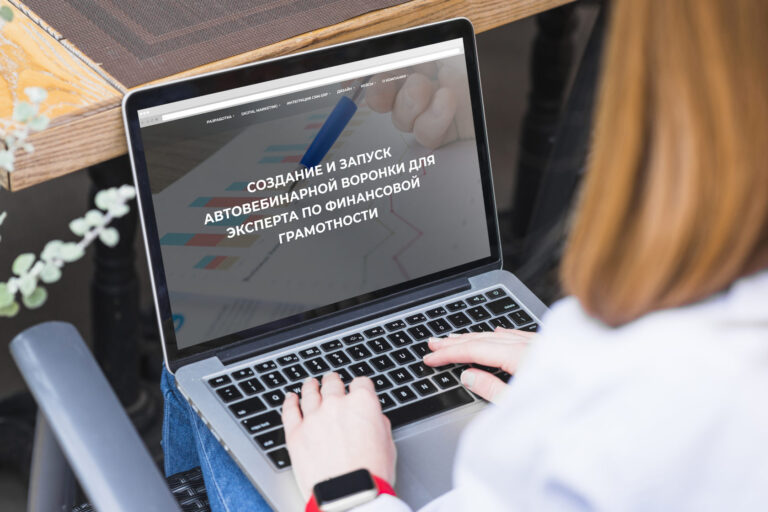
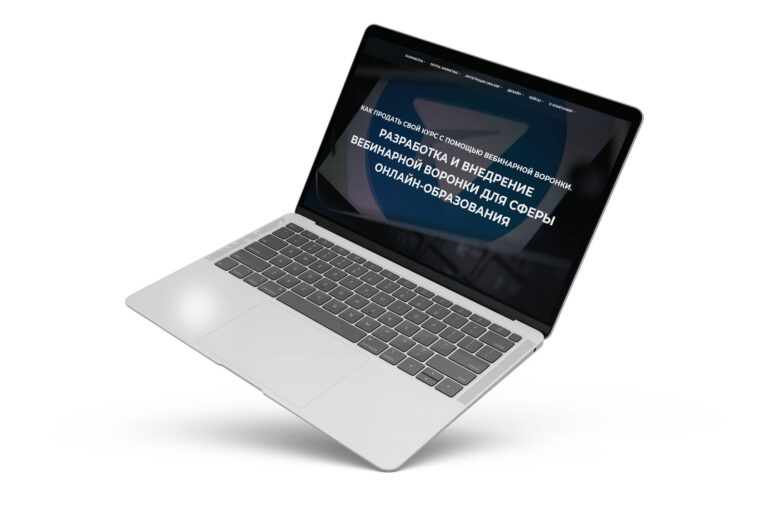
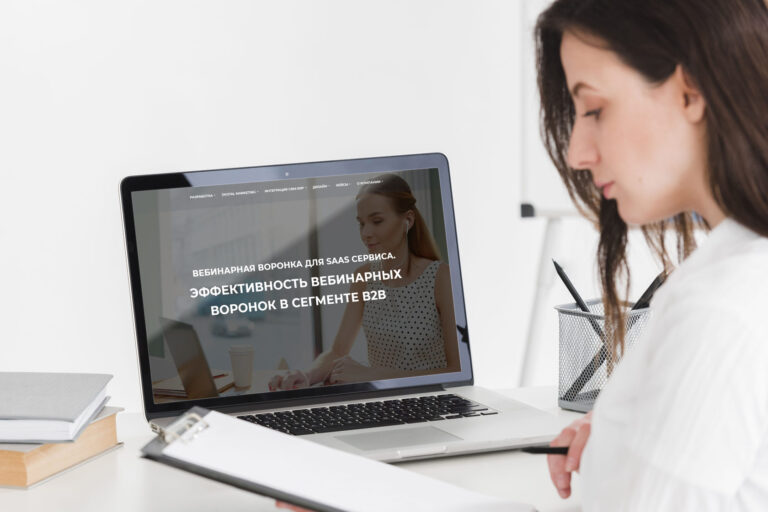
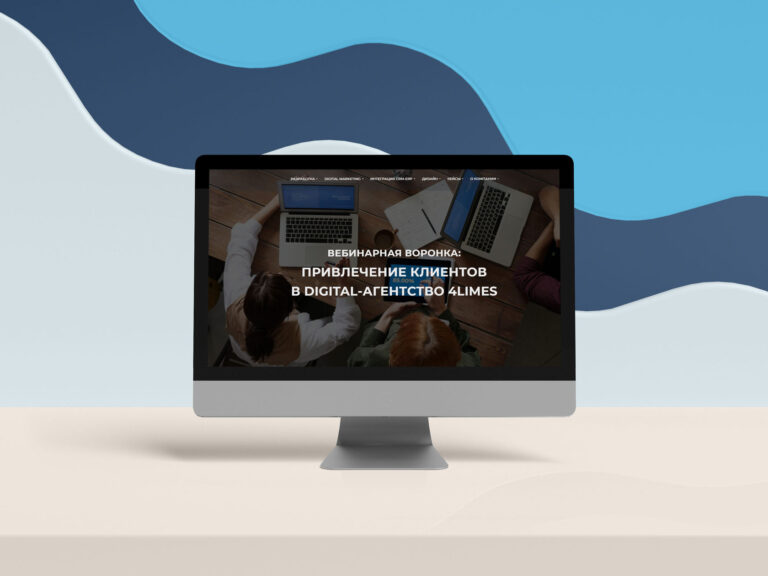
Our cases
Want to know more about the service?
Leave your contacts and we will contact you!
- phone_iphone
- mail_outline
- location_on
- access_time