YouTube for the tourism industry: a systematic approach to attracting customers

YouTube for the tourism industry: a systematic approach to attracting customers
Most companies in the tourism sector still ignore YouTube — and they’re missing out. It’s a platform that generates steady organic traffic, whilst simultaneously building trust and encouraging purchases. Below is a proven system for travel agencies, tour operators, hotels and independent guides.
Five types of content that are essential for a channel to succeed
The Hero – Hub – Help – Hype – Action model is Google’s official recommendation for brand channels. It proves particularly effective in the travel sector, where audiences seek information about trips at every stage of the decision-making process.
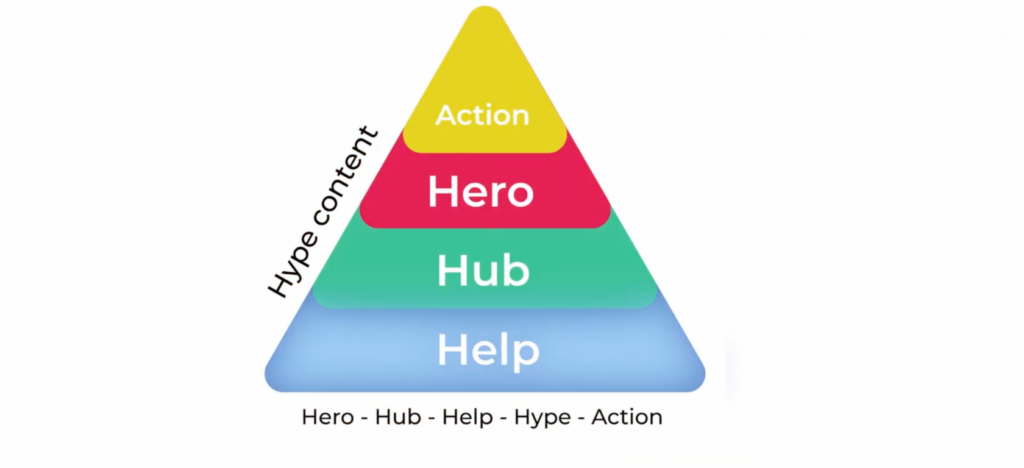
Help — the foundation of search traffic
The principle is simple: each video addresses one specific query. Visa guidance, price comparisons, practical advice for travellers — this sort of content is found via search engines and continues to perform well for years without any further investment.
Hub — Retention and Subscriptions
Regular themed series: resort reviews, guides to specific destinations, and analyses of different types of tours. It is precisely this kind of content that viewers subscribe for and keeps them coming back to the channel — it forms the foundation for future sales.
Hero — weight and reputation
Large-scale productions: expeditions, collaborations with well-known figures, and expensive film shoots. They are released infrequently — no more than once a month — but it is precisely these that establish a reputation as a major player in the market.
Hype — growth driven by short-form content
Shorts can be filmed quickly and without any complicated preparation: whether it’s a last-minute deal, a hot offer or a trending topic — just film it and post it. An effective tool for engaging a mobile audience and accelerating channel growth.
Action — advertising as a finishing touch
Viewers who have already seen your content but haven’t yet submitted an enquiry are included in the remarketing audience. Paid advertising featuring a specific offer brings them back and guides them towards making a purchase.
How the YouTube funnel works
- Reach: Hype, Hero and Help videos attract new viewers via search and recommendations.
- Engagement: Hub content holds the viewer’s attention and gradually turns them into a loyal subscriber.
- Sales: Action-oriented formats — tour reviews, specific offers — convert the audience into customers.
Key point: Long-form videos build trust and establish expertise — they provide a detailed look at the product. Shorts are the first point of contact that draws the viewer into the funnel.
Why YouTube in particular, rather than other platforms?
- A video does what text or photos cannot: it shows the hotel, the route and the atmosphere — in effect, it replaces a preliminary visit.
- The combination of YouTube and Google opens up positions in search results that cannot be achieved through traditional SEO.
- Travel content naturally attracts a large audience — you can start monetising your channel once you have 1,000 subscribers and 4,000 hours of watch time.
- In practice: when content is managed systematically, the channel pays for itself within 4–6 months.
Five models of channel positioning
- Travel Without Borders — content about off-the-beaten-track routes and unexpected destinations.
- In-depth features — detailed analyses of specific countries, holiday resorts or types of holiday.
- The emotional salesperson — focuses on atmosphere, experiences and visual engagement.
- Problem Solver — practical guides on visas, logistics and budget planning.
- The Honest Expert — a candid analysis of where people are being misled, what is disappointing, and what mistakes to avoid. High click-through rates thanks to provocative headlines and genuine expert authority.
Three marketing formats — choose the one that suits your resources
Format 1 — via bloggers
Ideal for those who aren’t ready to run their own channel. Relevant content creators will incorporate adverts for your product — driving targeted traffic to your website without you having to produce content yourself.
Format 2 — organic channel growth
A strategy for those looking to build a long-term presence. The bare minimum is one video a week. The ideal pace is three full-length videos plus 30 Shorts and a few live streams each month. This pace allows you to take a leading position in your niche in a relatively short time.
Don’t want to appear on camera? In the tourism sector, videos with a voice-over and dynamic editing work a treat — they rack up millions of views without needing a presenter.
Format 3 — paid traffic
This is ideal when you need results quickly. The promotional video is targeted at your audience and directs them straight to your website or booking page — without having to wait for organic growth.
Ready-made packages for various types of business
- Hotels: ‘Expectations vs Reality’ video review → direct link to booking.
- Travel guides: videos based on location-based searches (‘what to visit in N’) → hotel selections and package tours.
- Common pitfalls: an analysis of typical mistakes made by tourists → demonstrating how your product solves these problems.
- Behind the scenes at the agency: work processes, the lives of the guides, real-life stories — all of which create an emotional connection with the audience.
Main
YouTube in the tourism industry isn’t just a way to promote yourself. It’s a structured system where each content format plays its own role: attracting, engaging and selling. Thumbnails and titles account for 80% of click-through rates — it’s not worth skimping on them. All traffic from the channel should lead to a specific call to action: a catalogue, a messaging service or a booking form.
With a systematic approach, YouTube becomes an asset that operates round the clock — and gradually begins to pay for itself through the monetisation of views.