YouTube for Online Schools and Educational Projects: A Client Acquisition Strategy

Educational projects — online schools, authored courses, corporate academies — all face the same challenge: how to consistently attract new students without constantly increasing the advertising budget. YouTube works differently from most paid channels. Search-optimized videos live for years, build brand trust, and generate traffic even when you spend nothing on additional promotion.
Below we break down a content strategy, formats that actually work in the professional education niche, and five specific approaches — from organic growth to paid advertising.
Why YouTube Is Especially Effective for Educational Businesses
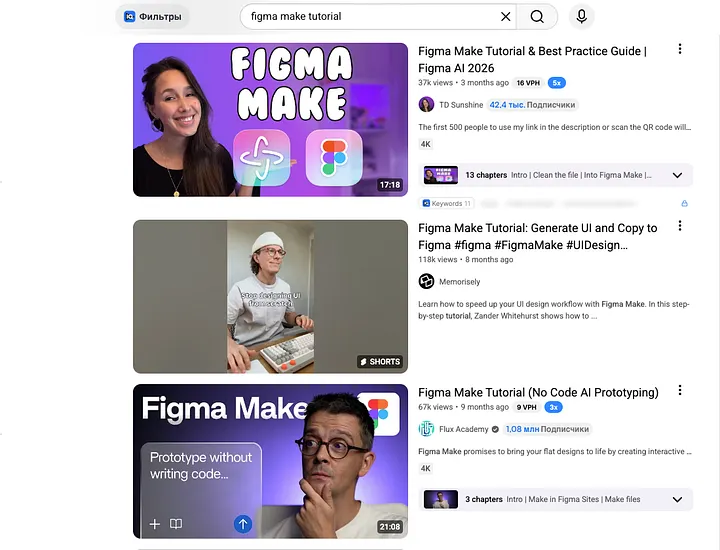
Most people looking for a new profession or wanting to upgrade their skills start with a search. They type queries into Google, get results — and some of those results lead directly to YouTube. Videos are indexed in two search engines simultaneously: both Google and YouTube itself. Double the reach for a single production effort.
Second: educational content retains audiences well. A person who finds a useful tutorial or case study breakdown is highly likely to watch the next video on the same channel. This is a natural warm-up that turns a casual viewer into a prospective student long before the first contact with a sales team.
Content Strategy: The Hero – Hub – Help – Hype Pyramid
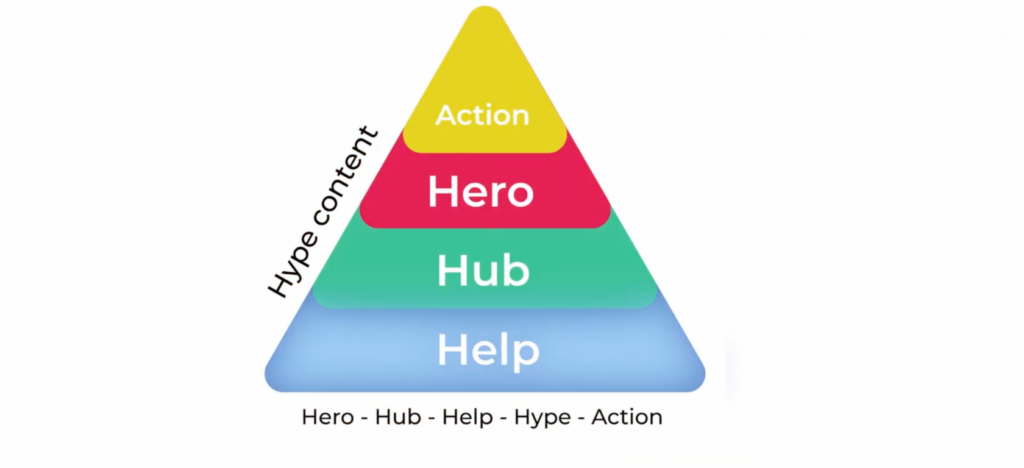
Google developed a universal model for brands on YouTube that describes content structure as a pyramid with four levels. For educational projects, it works particularly well.
Help — Videos Targeting Search Queries
This is the foundation of the channel. One video — one search query. This content answers a specific question that people are already searching for, and continues to work for years without additional investment. The goal of these videos is not just to answer the question, but to hook the viewer and move them further down the funnel. The viewer came for one answer — and leaves with the understanding that there is much more here.
Hub — Regular Content by Topic
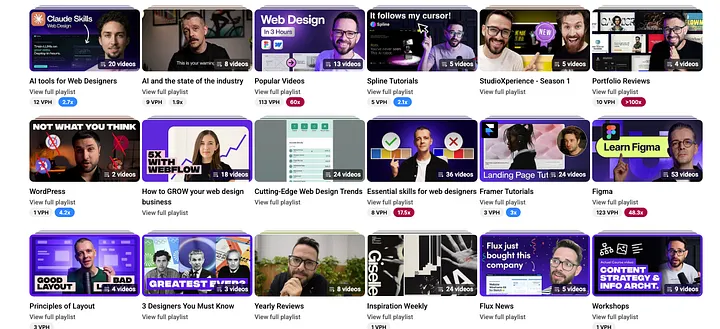
These are the playlists people subscribe for and return to. In an educational business, this division is especially logical: one playlist for programming, another for design, a third for marketing. A person arrives on the channel through a search query, watches the first video — and moves into a playlist where they continue to warm up. Hub content is what builds community and retains the audience between purchases.
Hero — Content for a Broad Audience
Formats that work for maximum reach: live Q&A streams, collaborations with other experts, videos in the “zero to result” format. Showing how a specific person went from zero knowledge to employment is powerful content that spreads widely and attracts audiences beyond the existing subscriber base.
Hype — YouTube Shorts
Shorts occupy a slightly separate place in this system. They participate in search, gain reach among unfamiliar audiences, and work well as an entry point into the funnel. The key thing to understand: separate filming for Shorts is not necessary. In most cases, it is enough to cut them from already finished long-form videos. The main function of short video is to capture a person at the top of the funnel and bring them to full-length content.
Who This Strategy Is For
YouTube works well for the following segments of the educational market:
- Online universities and EdTech platforms
- Authored schools and independent expert practitioners
- SaaS services and IT products with an educational component
- Corporate academies and company HR branding
The professional education niche has several specific problems: low course completion rates, a gap between theory and practice, rapidly outdating skills, and audience fatigue from “success porn” marketing. Content on YouTube addresses some of these pain points before the purchase — demonstrating the real learning process, showcasing graduate case studies, and handling objections.
Content Specifics in the Educational Niche
One of the key advantages of this niche is the ability to feature multiple authors on a single channel. In most business topics, a channel relies on one or two faces. In education, this limitation is removed: each teacher or expert runs their own playlist. The channel’s success is the sum of each individual author’s results — this accelerates growth significantly faster than a single-face model.
Formats that work well in the educational niche:
- Full tutorials from zero to a concrete result
- Breakdowns of real test assignments and portfolios
- Mock job interviews
- Career roadmaps by profession
- Reviews of professional tools
- Free intensives and mini-courses directly on the channel
- Employment content: resumes, interviews, first job
The funnel follows a clear logic: Shorts with hot tips and quick techniques — a long-form video with a full lesson — a link to a free guide in the description — a webinar or consultation with the sales team.
Five Strategies for Promoting a YouTube Channel for an Educational Project
1. Organic Channel Management
The minimum working rhythm is four content videos and 15 Shorts per month. Once the channel reaches at least a thousand subscribers, it is worth adding one live stream per month: live interaction with the audience is critically important for retention and community building.
The ideal pace is eight long videos and 30 Shorts. This is a more aggressive format, but it is precisely what allows you to outpace competitors who have been on the platform for several years. Among real projects, channel payback occurs on average within three to six months. The first concrete leads are usually recorded by the end of the second or third month.
2. Personal Brand Promotion Through Collaborations
If the owner or lead expert is not ready to run their own channel, there is another path. Bloggers with the right audience are identified, and the expert appears on their channel in the format of a podcast, joint video, or live stream. The content is published on the blogger’s channel — and the audience is already there, formed and loyal. This strategy works well when you need to promote a personal brand without having to build your own channel from scratch.
3. Advertising With Bloggers
Classic placements with relevant creators: pre-roll, mid-roll or end-roll integration, a full collaboration with a video entirely dedicated to your brand. The key here is not just finding a creator with the right audience, but achieving a strong offer and preparing a well-written creative brief. Without a clear brief, even a large audience delivers weak results.
4. Multi-Platform Strategy
This approach suits those who want to be present across all social networks simultaneously but do not have the resources to produce content for each platform separately. For each target audience or product, a content-advertising video is filmed that amplifies pain points, offers a solution, and demonstrates the company’s expertise. Short vertical videos are then made from the same material — without additional filming. The same videos are published on YouTube Shorts, Instagram Reels, TikTok, and other relevant platforms.
If necessary, it is possible to work in a Faceless video format or create a virtual avatar with a cloned voice — in which case a person’s presence on screen is not required at all.
5. Paid Advertising on YouTube
For those who need clients right now. YouTube as an ad placement is used significantly less often than Google or Meta — competition is lower here, and the cost of entry is more favorable. The scheme is straightforward: an advertising video with a clear offer, a target audience, and a landing page. The video starts generating leads from the moment the campaign launches — without waiting for organic growth.
How to Build Content Production
Recording a full script and reading it on camera is a bad idea. It is immediately noticeable, and trust in the expert drops. The working format is anchor-based outline scripts: the video structure, key semantic blocks, and the right calls to action. The expert knows what to talk about but speaks in their own words — this comes across as natural.
If there is no suitable person for filming, there are three workable options:
- Faceless video without a face on camera — focus on the screen, graphics, tool demonstrations
- A corporate blogger as the face of the channel — a person runs the channel on behalf of the brand
- A virtual avatar of the expert with a cloned voice
It is not necessary to rent a professional studio for filming — you can set one up in the office with properly arranged equipment. At the same time, it is important to run the editing of the first videos through an expert review: editing controls the viewer’s attention, and mistakes here directly affect audience retention.
Presentation and Platform Restrictions
Video thumbnails in the educational niche must build trust: a visual code of the profession, clear readable text, the expert’s face with a recognizable expression. Branding matters, but should not turn the preview into an advertising banner.
There are also platform restrictions that must be taken into account: YouTube dislikes hard guarantees of results, provocative claims, and emotional manipulation tactics. For educational projects working with career and income topics, this is especially relevant — careless wording can lead to shadow banning or restricted reach.
Remarketing as the Closing Element of the System
Everyone who has interacted with the channel’s content — watched videos, liked, commented — enters a remarketing pool. This is a warm audience that already knows the brand. Paid advertising directed at them with a specific offer converts significantly better than working with cold traffic. In essence, this is the Action format that completes the organic funnel and turns accumulated viewers into real clients.