Promoting a culinary YouTube channel: a systematic approach for chefs and the food industry
Food is one of the most popular search topics. Every day, millions of people type things like ‘quick dinners for the week’ or ‘how to make the perfect dough’ into Google and YouTube. For chefs, restaurateurs, pastry chefs and food entrepreneurs, this represents a genuine business opportunity – not just a creative hobby.
The problem lies elsewhere. The cooking niche is one of the most saturated on the platform. Most creators film a recipe, upload the video and simply wait. Without a clear content strategy, even technically flawless videos get lost in the general stream. With the right approach, a channel breaks even within three to six months – a rare feat for any niche on YouTube.
The Hero-Hub-Help-Hype-Action Strategy: Content Architecture
Hero-Hub-Help-Hype-Action isn’t just a way of categorising videos; it’s the logic behind how different clips work together. Take away one level, and the system starts to break down.
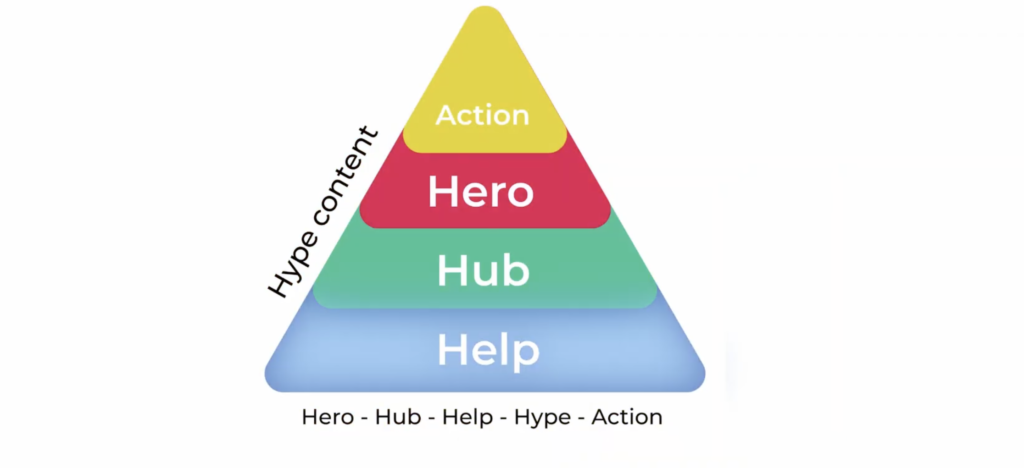
Help – the foundation of search traffic
This video is aimed at specific search queries: ‘fluffy pancakes in 15 minutes’, ‘what to cook for guests quickly’, ‘courgette recipes’. The production doesn’t have to be complicated – what matters is discoverability and viewer retention. The viewer gets the answer they’re looking for and stays to watch more.
Hub – content for a loyal audience
Playlists and series linked by a common theme: all egg-based dishes, seasonal pumpkin recipes, weekly meal plans. Hub content encourages viewers to return to the channel regularly.
Hero – flagship videos for wide reach
Ambitious, high-production-value videos with maximum reach. From recreating a pizza based on a 15th-century recipe to a cake with eye-catching decoration – here, craftsmanship becomes the content in its own right.
Hype – YouTube Shorts as a parallel growth channel
YouTube Shorts for cooking content are available in two formats:
- A simple video: first we show the finished dish, then the cooking steps. A concise tutorial that’s easy to follow right from the start.
- Hero Shorts: pure visual aesthetics. Particularly effective in the confectionery niche, where the beauty of the final product alone captures the viewer’s attention. These videos regularly rack up millions of views and are easily adapted for Instagram Reels, TikTok, Facebook Reels and Pinterest.
Action – paid advertising for conversions
Paid advertising for the culinary industry on YouTube is particularly relevant for commercial ventures. Viewers who have watched Hero and Hype content but have not yet made a purchase are added to the retargeting pool. A targeted advertising message converts this lukewarm interest into a transaction.
Audience: who watches it and what issues need to be addressed
Before you switch on the camera, it’s worth asking yourself one question: who exactly will this video help, and with what specific problem?
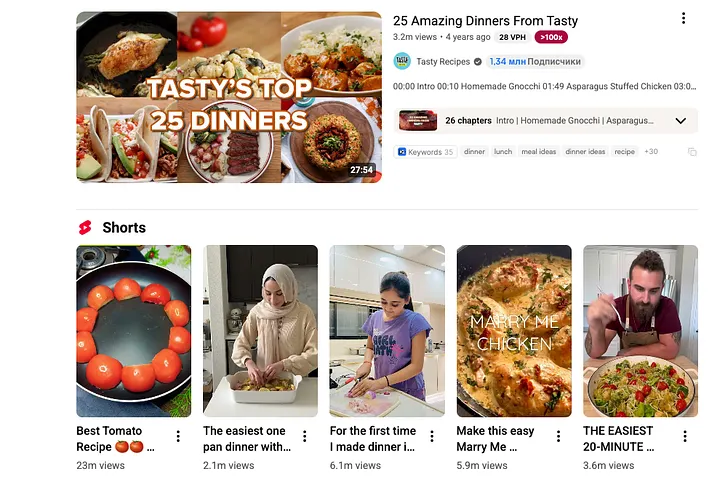
The consumer segment is divided into several groups:
- Beginners who are daunted by the cooking process itself.
- Busy professionals who need quick and reliable solutions for their day-to-day work.
- Visual connoisseurs – they watch for the aesthetics, not for the instructions.
- Socially active home cooks who share recipes within online communities.
The business audience comprises café and restaurant owners, hotel F&B managers and aspiring restaurateurs who are seeking expert advice and a trusted source of information.
- If you look at the comments under cooking videos, the same complaints crop up time and time again — and each one is a ready-made topic for a video:
- Information overload: there are too many recipes, and it’s hard to know which ones to trust.
- Scepticism about the results: the photos have been edited, the recipes contain errors, and the dish shown in the video doesn’t turn out the same at home.
- Technical difficulty: specialised equipment, hard-to-find ingredients.
- Monotony: the same dishes over and over again – viewers are looking for something truly new.
Content strategy for a food blog: formats and the sales funnel
A recipe brings people to a channel. But if the channel is just about recipes, viewers will watch, cook the dish and leave. Channels that are growing offer something more: context, a story, a reason to come back.
Formats that work reliably
- Challenges and reactions – high engagement and virality.
- Analysing mistakes – we show what went wrong and why. To be honest, trust builds up faster this way than with perfect videos.
- The ASMR format – the crunch of bread crusts, the sizzle of oil in a frying pan. The audience watches for the atmosphere.
- Live streams – the chef cooks alongside viewers in real time. Direct monetisation via Super Chats and subscriptions.
Sections that help build a habit
‘Breakfast in 10 minutes’, ‘weekly menu’, ‘dinner for the whole family in 15 minutes’ – formats like these tackle specific, recurring tasks and encourage the audience to return on a regular basis.
Sales funnel for a cooking YouTube channel
- Awareness: Shorts and viral recipes are attracting a new audience.
- Analysis: in-depth tutorials, weekly meal plans and product reviews put the viewer in a learning mindset.
- Lead generation: a free checklist, a recipe guide or a Telegram community are used to collect contact details.
- Conversion: a paid course, a subscription to a meal plan or a masterclass turn interest into revenue.
- Engagement: private communities, weekly round-ups, collaborations with food bloggers.
A real-life example. A series of 15 Shorts on the theme of ‘breakfast in 10 minutes’ racked up 420,000 views in a month. A free checklist in a pinned comment built up a following of 12,000 subscribers. A time-limited offer – valid for 48 hours, with a discount on a paid product – generated a 280% ROI in the first month and over 200 verified positive reviews. This proved sufficient to launch the next campaign.
Как снимать динамичные кулинарные видео: стандарты производства
Кулинарная ниша требует визуальной динамики. Статичный кадр с помешиванием в кастрюле теряет зрителя за секунды. На практике рабочий стандарт 2024 года – смена угла камеры каждые пять секунд. Для этого нужно минимум две камеры, оптимально – три. Съёмка в 4K позволяет делать цифровое приближение и отдаление при монтаже, добавляя движение без дополнительного оборудования на площадке.
Thumbnails and Titles
- Thumbnails: A close-up of a face showing genuine emotion during tasting, contrasting colors, the finished dish in frame, brand logo, and a short title.
- Titles: Simple language that matches search queries. “Simple Pancakes” beats “My Grandmother’s Traditional French Crêpe Recipe” in discoverability—even if the second title is more accurate.
YouTube Cooking Video SEO
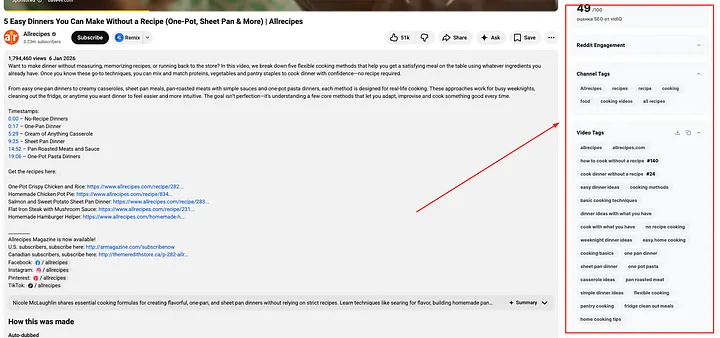
YouTube and Google are structurally linked: a properly optimized video appears directly in Google search results, not just on the platform. When a user searches for “easy pancake recipe,” a video with high view velocity and correct metadata lands right alongside web results. This dual visibility compounds over time.
At the start, it makes sense to launch two or three parallel channels featuring the exact same content, but with slightly different edits. The algorithm is unpredictable: one channel might take off while another flops, and there’s no way to predict it in advance. This doesn’t mean doubling your workload—the base footage remains the same, it’s just cut differently.
How to Monetize a Culinary YouTube Channel
Monetization relies on multiple revenue streams operating simultaneously:
- Direct Platform Monetization: AdSense, Super Chats, and channel memberships.
- Educational Products: Online courses, masterclasses, and subscription meal plans.
- Leads and Sales: Driving traffic to a restaurant, catering business, or bakery website.
- Partnerships and Collaborations: Sponsored integrations with kitchen equipment brands, food companies, and delivery services.
- Gated Communities: Paid Telegram channels or Discord servers offering exclusive recipes and detailed breakdowns.
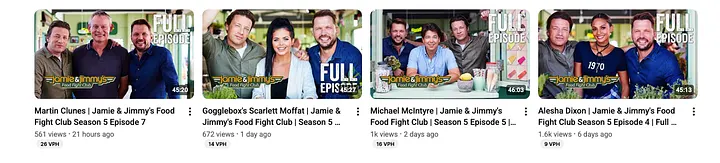
What Actually Works
Channels that generate real revenue operate on a completely different logic than those that just upload recipes. It’s not about producing more content—it’s about strategic purpose: every single video serves a specific goal. One brings in new viewers, another retains existing ones, and a third closes sales. When these components work together, SEO and high reach become a natural byproduct rather than the ultimate goal.
Most cooking channels get stuck in a rut: they have recipes, they have good footage, but they lack a system. The Hero-Hub-Help-Hype-Action framework isn’t theory for theory’s sake—it’s a blueprint to stop shooting blindly. Channels that reach profitability within six months usually don’t shoot better than everyone else. They simply know why they are making every single video.