YouTube for Outdoor Gear and Tourism Brands: Promotion Strategy from Zero to Profitability

Manufacturers of outdoor gear, survival schools, guides, craft makers, and expert bloggers covering active recreation all operate in a niche where YouTube can deliver results faster and cheaper than most other channels – but only when content is published consistently and with a clear strategy behind it.
This guide covers the full logic of building a YouTube channel around outdoor topics: from picking the right content formats to the specific tools that drive promotion and monetization.
Why YouTube Works in This Niche
Interest in survival skills, building shelters from scratch, outdoor living, and wilderness gear keeps growing. People search for this content every month – and not just on Google. YouTube is the world’s second-largest search engine, and a significant share of that audience goes there directly.
One real advantage of this niche: videos here can rack up millions of views without a single word spoken. Meditative visual content – lighting a fire, constructing a shelter, working with wood – holds attention well and tends to perform strongly with the platform’s algorithms. In practice, roughly half of projects in this niche reach profitability within the first 3-6 months after launch.
Content Strategy: Hero, Hub, Help, and Hype
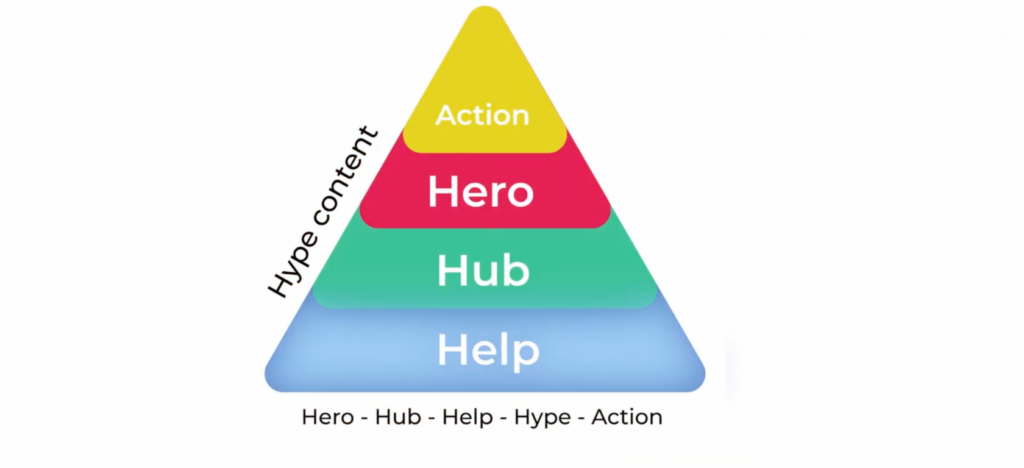
Google, which owns YouTube, promotes its own content model – Hero Hub Help Hype Action. It maps out which types of videos a channel needs and in what proportion.
Help – The Foundation of the Channel
These are videos built around search queries: gear reviews, survival tutorials, direct answers to audience questions. This kind of content keeps working long after it’s published – people search for the same information every month, and a video that lands in YouTube or Google search keeps pulling in new viewers without any additional spend.
Hub – Series Content for Retention
Hub content isn’t just about attracting viewers – it’s about keeping them on the channel. These are video series grouped into playlists by topic: a dedicated playlist for knives, another for shelters, another for winter hiking gear. Someone who arrives from search steps into a series, gets drawn deeper into the content, and is far more likely to convert than a one-time visitor.
Hero – High-Investment Content
Hero videos take real effort to produce: large-scale process shoots, podcasts with compelling guests, live streams where you answer subscriber questions. The goal is broad reach and building a credible expert image.
Hype – Short Vertical Videos
YouTube Shorts perform well in both search and recommendations, pull in new audiences, and funnel them toward longer videos. You don’t need to film Shorts separately – a well-structured script for a long video can be divided into standalone segments from the start, with each one becoming its own short clip.
Three Types of Channels in the Outdoor Niche
Depending on positioning and available resources, three main formats tend to work in this space.
Silent ASMR Channel
Meditative content with no voiceover: shelter building step by step, fire work, natural processes. The focus is on visual aesthetics and sound design. Competition is high, but so is the ceiling for reach. Typical output: 4 long videos per month plus 15-30 Shorts cut from them.
“Your Guy in the Forest”
Unpolished, lived-in hikes with personal storytelling. Showing real failures alongside the wins builds a genuine emotional connection with viewers and keeps retention high through to the end. This format is a natural foundation for native gear sales. Output: 8 long videos and 15-30 Shorts per month.
Applied Reference Guide
Fast, practical survival tutorials with no filler. Confident delivery from an instructor’s perspective, quick responses to trending topics, direct course sales. Mid-level competition, with output starting from 12 long videos per month plus Shorts.
Sales Funnel Through YouTube
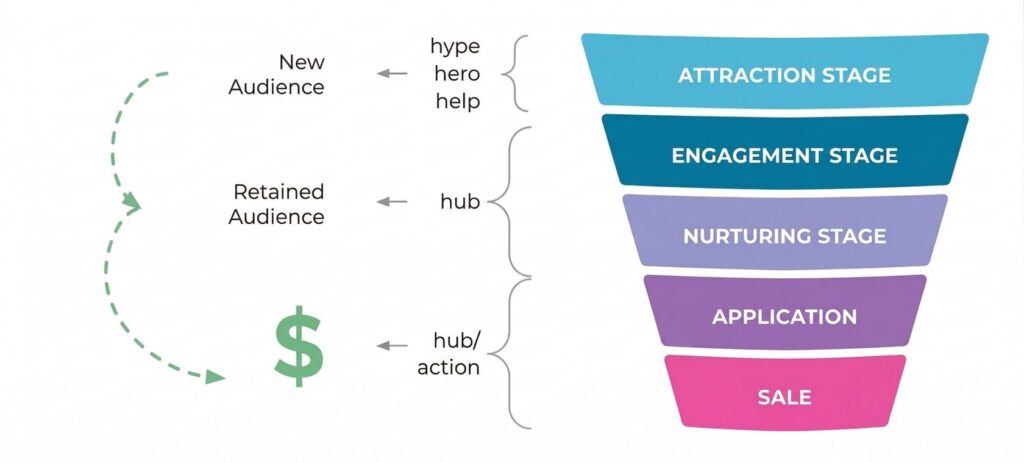
The funnel works like this: Shorts built around forest life hacks and challenges bring in cold audiences. Longer videos – gear reviews, educational content – warm them up. From there, the audience moves into a Telegram channel or private community. Further down the funnel: paid hikes, survival courses, handmade goods, affiliate sales, and merchandise.
People who watched your content but haven’t converted yet can be reached through retargeting – collect a list of users who engaged with your videos and serve them an ad with a specific offer.
Monetization: When the Channel Becomes Profitable
Once a channel hits 1,000 subscribers and 4,000 watch hours, the YouTube Partner Program becomes available. Given that outdoor videos can accumulate hundreds of thousands or even millions of views, ad revenue can realistically cover content production, promotion, and contractor costs.
An additional lever worth using: multilingual audio tracks and auto-dubbing. Translated content opens the channel to international audiences and meaningfully expands its monetization potential.
Five YouTube Channel Promotion Strategies
1. Organic Channel Management
The minimum viable start is 4 long videos and 15 Shorts per month. The target volume is 8 long videos and 30 Shorts. With a consistent approach, the channel typically reaches profitability within 3-6 months.
2. Personal Brand Promotion Through Other Channels
A good fit for anyone who doesn’t want to run their own channel but is willing to appear in podcasts, live streams, and collaborative videos on other creators’ channels. The host’s audience follows the link in the description and lands on your product.
3. Working with Bloggers Without Your Own Channel
This means placing integrations or full videos on relevant creators’ channels. It’s worth assessing upfront how closely a given blogger’s audience matches your target – in the outdoor niche, this format tends to deliver solid results.
4. Paid YouTube Advertising
For situations where you need clients now rather than later. An ad video drives traffic to a landing page and generates leads without waiting for organic growth. The downside is audience fatigue over time, so paid advertising works best when paired with organic content.
5. Content Videos Plus Shorts Without Owner Participation
Built for people who don’t want to appear on camera or manage social media themselves. A 4-8 minute content video is created for each target audience segment. Shorts are cut from it – using a virtual avatar, cloned voice, and lifestyle footage where needed. The Shorts drive traffic to the long videos; the long videos warm up the audience. Those same Shorts get published on Instagram Reels, TikTok, Facebook, Pinterest, and other vertical-format platforms – no additional filming required.
Important Considerations for Video Design
The visual identity of an outdoor channel is built on specific imagery: forest, fire, close-ups of sparks and blades, high-contrast visuals. Thumbnails need to read instantly at small sizes. Trust comes from authenticity – dirt, fatigue, real conditions rather than studio setups. Extreme-leaning titles and thumbnails consistently improve click-through rates.
Risks and Limitations
YouTube applies strict rules to survival and extreme content. Dangerous claims can trigger shadow bans or advertising restrictions. Seasonality shifts interest in specific topics throughout the year. The information cycle in this niche moves fast – responding to trending topics matters. And without a production system in place, consistency breaks down quickly; most creators walk away from their channels within the first few months.
Content Production: How to Structure the Process
The basic workflow runs like this: start with a content strategy or content plan, then decide on the host – whether that’s the owner, an employee, a hired presenter, or a faceless format. A structured anchor script is written for each video. After filming, editing follows a technical brief focused on keeping attention. The final step is full channel management: publishing, title, description, tags, hashtags, thumbnail, and cross-linking between videos.
Scaling comes as the channel grows: blogger collaborations, paid ad buys, and translating content into other languages and platforms.