Promotion of food delivery in Facebook Ads: advertising result in 6 months with ROAS of 4787%
Details
Our task was to attract new customers and remind them of the start of work for the segment of past customers.
The task
Client: food delivery service
Objective: Drive traffic to the website and mobile app for the purpose of purchase. Attracting new customers to make a purchase in an online restaurant.
Traffic source: Facebook ads
Duration: 6 months
The following audience segments were selected for the task in order to achieve successful results:
Segment 1
Cold audience: This segment is divided into subgroups, such as IT, food delivery, and all others. To attract new customers, we launched advertising campaigns targeting these subgroups.
Segment 2
Warm audience: This segment included people who had previously interacted with an Instagram profile, Facebook page, visited a website, or installed an app, but had not made a purchase. For this audience, we ran ads to attract them to the sales funnel.
Segment 3
Hot audience: This segment consisted of customers who had previously made a purchase. We paid special attention to this segment, stimulating them with additional offers and reminders of unfinished orders.
Work progress
Market and competitor analysis
Identifying the target audience
Launching a campaign with a warm audience
Work with unfinished purchases
Expand your audience and scale your advertising
Branding and strengthening communication
Optimization and support of the sales funnel
In May and June, we focused on maintaining the sales funnel and creating new creatives to keep the audience interested. We simplified communication and focused on key offers, which contributed to an increase in conversions and a decrease in the cost of purchase.
Work on promoting food delivery
We developed several strategies to improve the results of the restaurant’s advertising campaigns, which consisted of the following stages:
Stage 1: Advertising to a warm audience
Initially, we focused on advertising to a warm audience, i.e. those who had already had contact with the client’s restaurant. The campaign lasted for 2 months. This allowed us to maintain and improve our relationship with this audience, keeping them as regular customers.
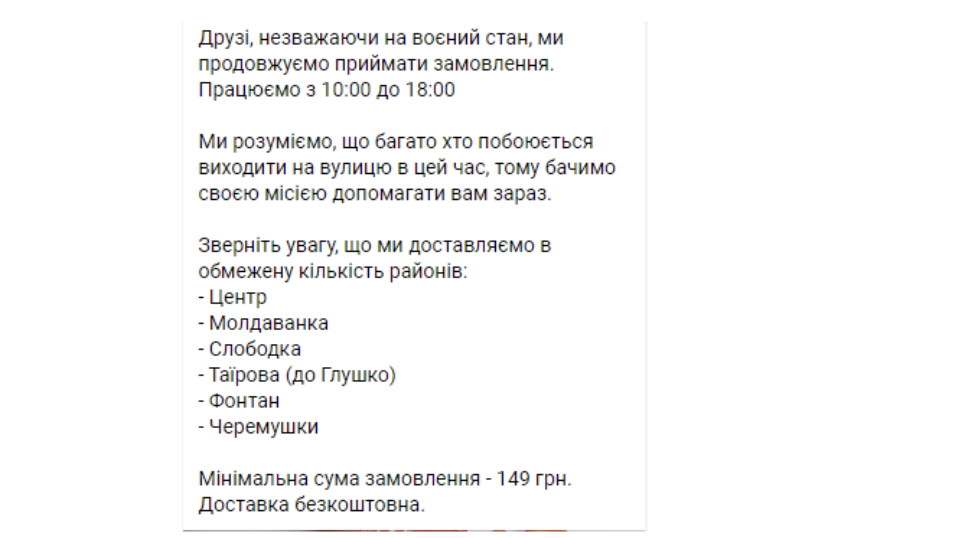
Over time, they began to attract the attention of those who did not complete the order. We used advertising to encourage them to return and complete the purchase process:
Stage 2: Additional targeting
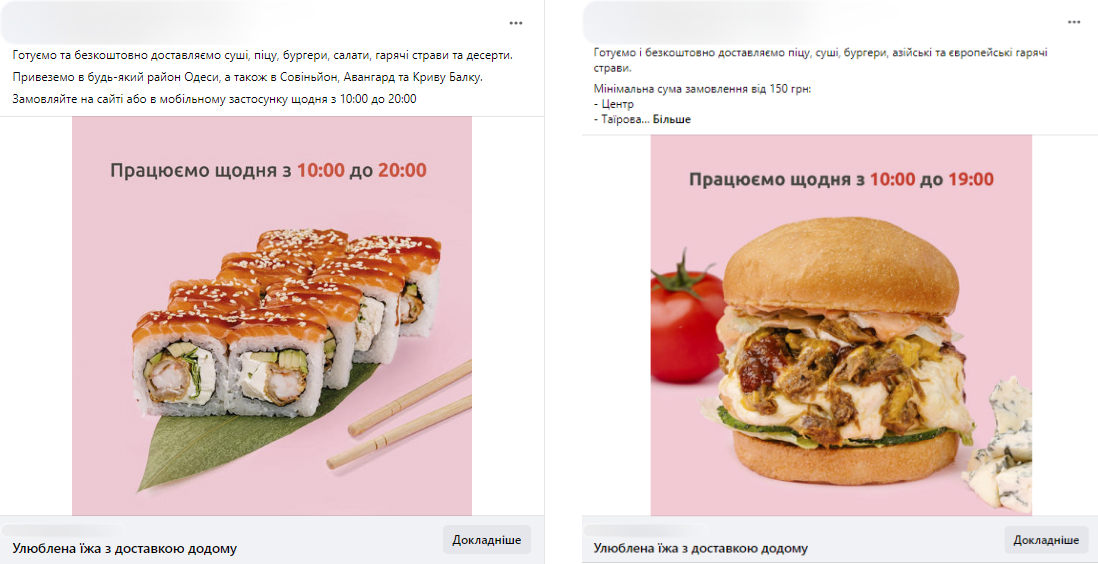
3 months of running – during this period, we launched additional advertising campaigns, but kept the same banner, changing only the text. This allowed us to effectively attract the attention of new customers from a cold audience using a previously tested creative.
Stage 3: Expanding advertising
At the end of the 3rd month, we added branded banners to the warm audience creatives that were about expanding delivery services. This further strengthened brand perception among regular customers.
Stage 4: Scaling the targeting
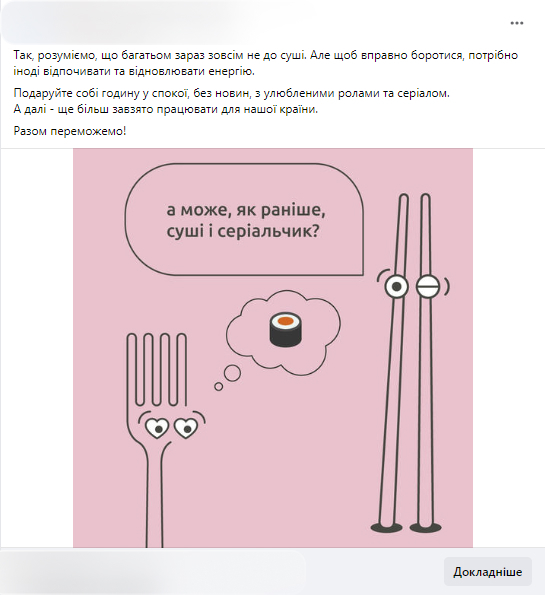
At the end of the 4th month, we began to expand targeted advertising by updating creatives. We continued to work with the warm audience, but also addressed new segments of this audience. For example, we created offers for customers who had shown interest or were in the process of placing an order but had not completed it. The banners also showed how the company helps the Armed Forces.
Stage 5: Change of communication and branded sleeve
For the third audience, who had already made a purchase, we created additional creatives, such as a special offer for Lent and Easter (for 3 months of running). We also actively engaged them in repeat purchases and encouraged them to complete the order.
In June, when the situation began to stabilize, we changed our approach to communicating with the audience and focused on the products and emphasized the restaurant’s brand. During this period, we built a stable system that remains unchanged. We also continued to work with all three audience segments.
In addition, we started to launch a branded arm to attract customers to the sales funnel. We had already built an automated funnel that increased the reach of the cold audience and attracted those who interacted with ads but did not complete the order. Therefore, the main work was to maintain this funnel and constantly create new creatives.
Delivery service creatives used
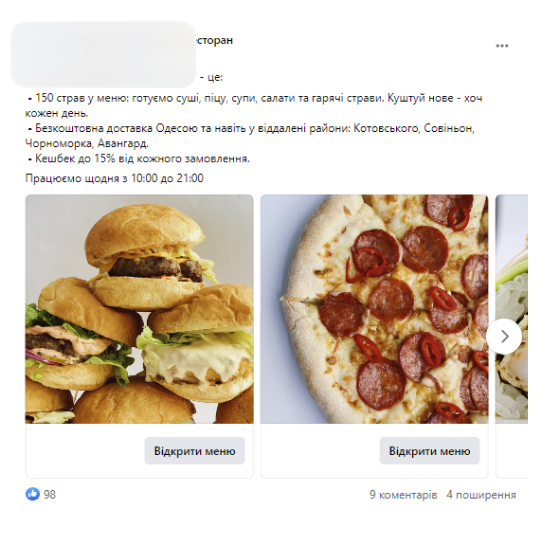
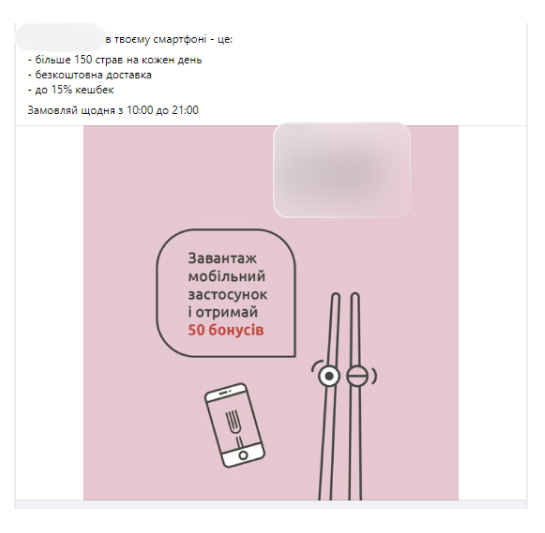
This is an example of creative for a cold audience for the 4th month and beyond.
Results of Facebook promotion
Key results
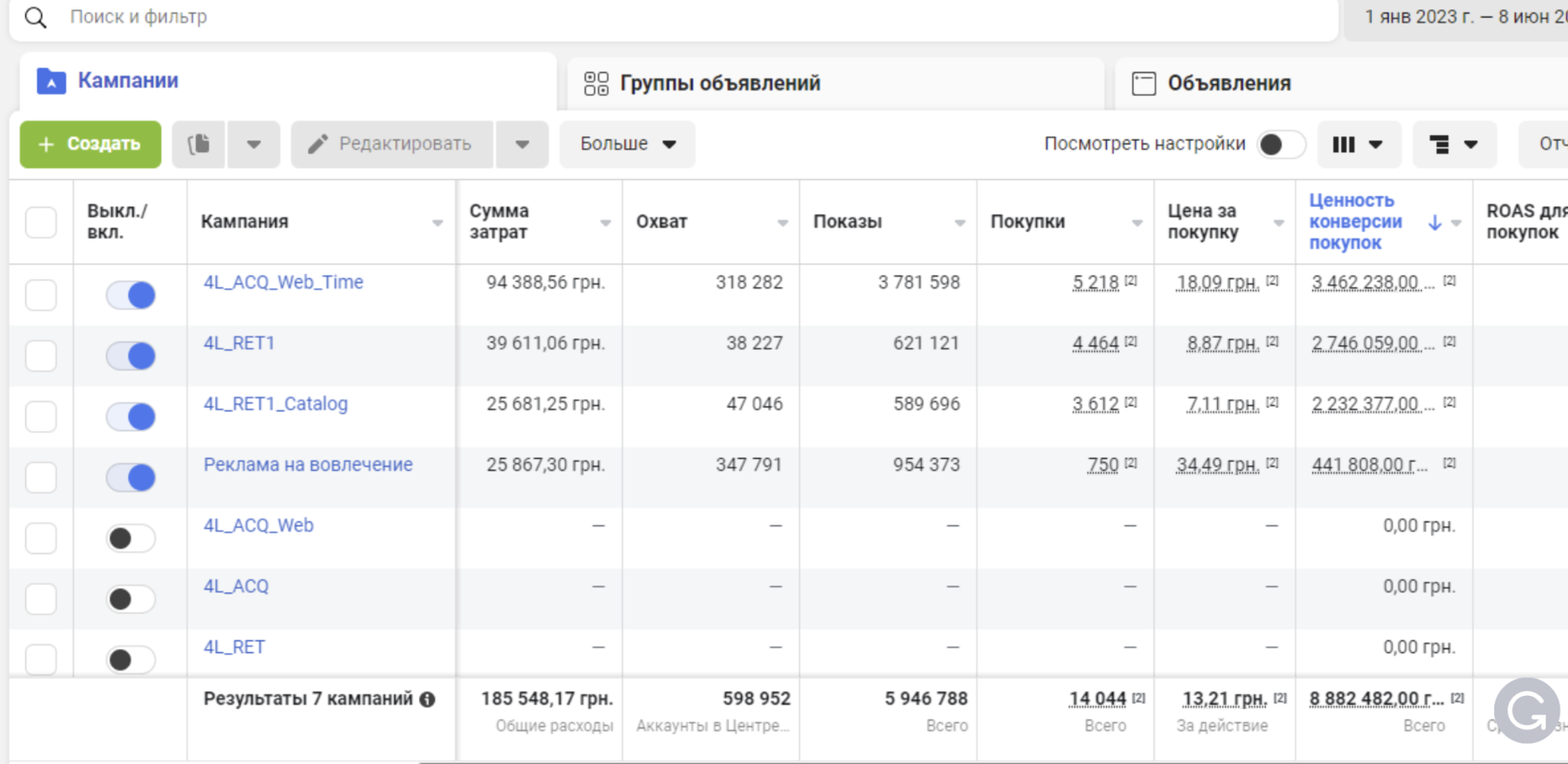
Our work with targeted advertising for the online restaurant has shown significant improvements compared to last year. In six months, we were able to reduce the total amount of advertising costs while increasing the reach and impressions. The number of purchases has increased, and the cost per conversion has decreased. ROAS (Return on Advertising Spend) also showed positive results.
Data from the account
Initial data (for 6 months):
Amount spent: $5047.56 or 185,548.17 UAH
Coverage: 598 952
Shows: 5 946 788
Shopping: 14 044
Cost per acquisition: $0.36 or 13.21
Value of conversions per purchase: $241,634.4 or 8,882,482 UAH
ROAS per purchase: 4787%
Conclusion
Our strategy envisaged working with three types of audience: cold, warm, and hot. We focused on retaining and maintaining regular customers, attracting new customers, and engaging them in the sales funnel.
Targeted advertising and the built-in funnel allowed us to effectively communicate with the audience and drive sales. The focus on the brand and the development of the branded arm also helped to increase awareness of the restaurant and attract new customers.
We continue to work with targeted advertising and improve our strategy by focusing on the needs of our target audience and developing the client’s brand.
Do you want to get the same results? Contact 4Limes! Leave a request and our specialist will contact you shortly for a consultation.
Do you have any questions?
Our experts are ready to answer them. Leave your contact details. We will be glad to discuss your project!
Book a consultationOther cases
Website development for engineering networks
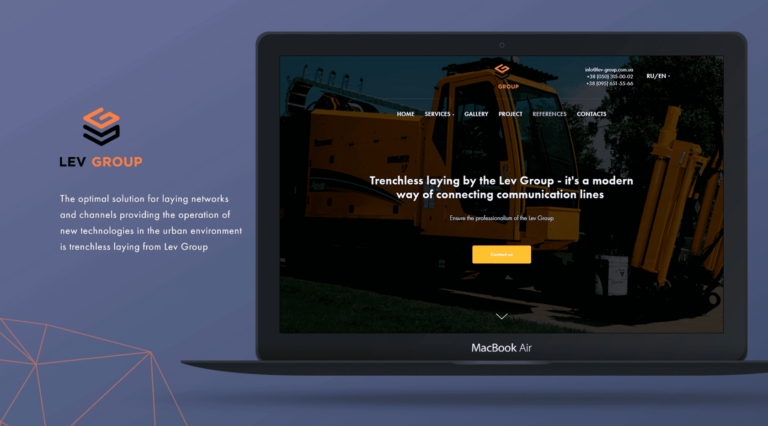
JWG received an order to create a website for Lev Group, an Odesa-based construction company of engineering networks. The company needed to re-launch its brand to present its services in a clear and favorable way.
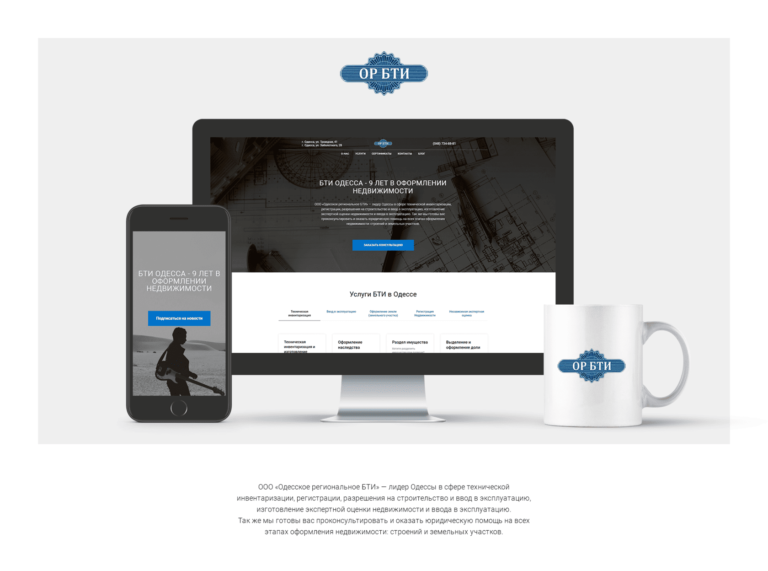
Case study. How to create a selling website and increase sales of real estate and legal services
4Limes was contacted by OR BTI, a company that specializes in providing comprehensive real estate services in Odesa and Odesa region. The company has been helping its clients since 2007.
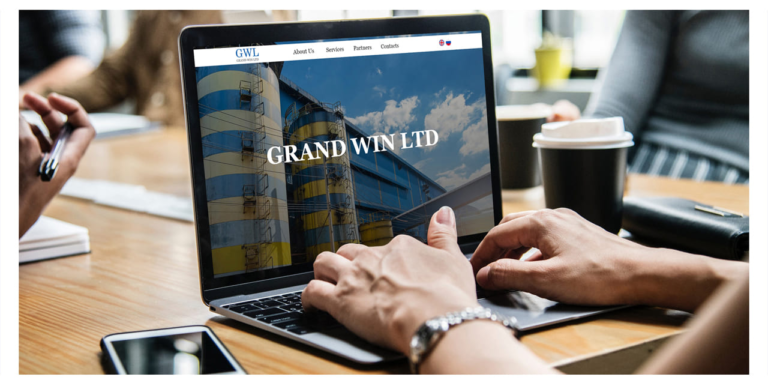
Case study. Website development for industry, GRAND WIN LTD
We were contacted by GRAND WIN LTD, founded 6 years ago in the UK. It is one of the largest companies engaged in trading of oil and fat industry processing products and organization of freight forwarding services in Europe and Ukraine.
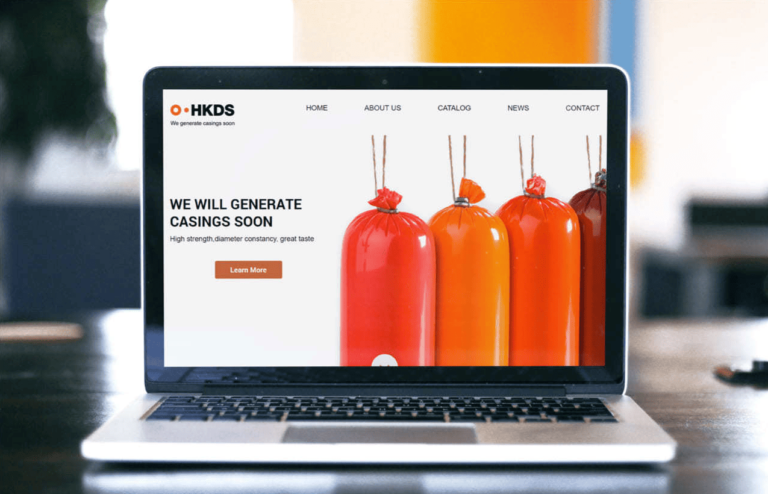
Case. Website development for the company HKDS
Our company was contacted by a client, a representative of the HKDS production. This is a large enterprise for the production of polyamide casings for food products located in Germany. This production is characterized by modern innovative technologies, which ensures competitive potential in the market.
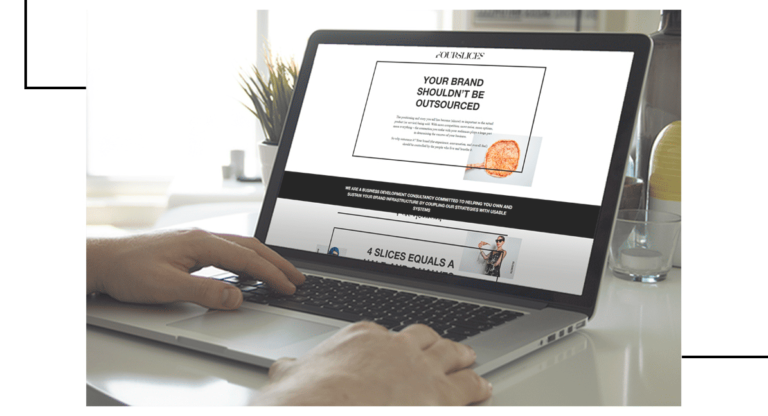
Case study. Creation of a corporate website for an advertising agency from the USA
Fourslices is an international advertising company based in New York (USA). It provides services in the field of online marketing and implementation of digital solutions for business.
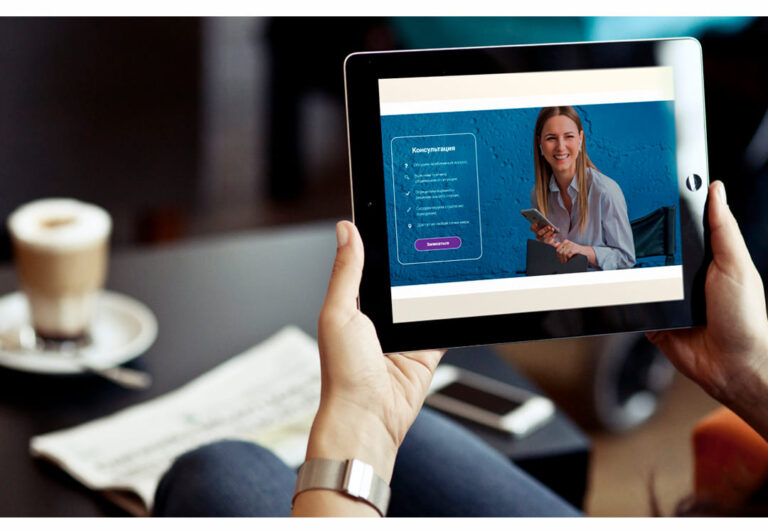
Case study on creating a selling website for a practicing family psychologist
Ira Nemova is a psychologist specializing in family relationships and child-rearing, founder and owner of a private kindergarten. Ira consults and conducts trainings throughout Ukraine.
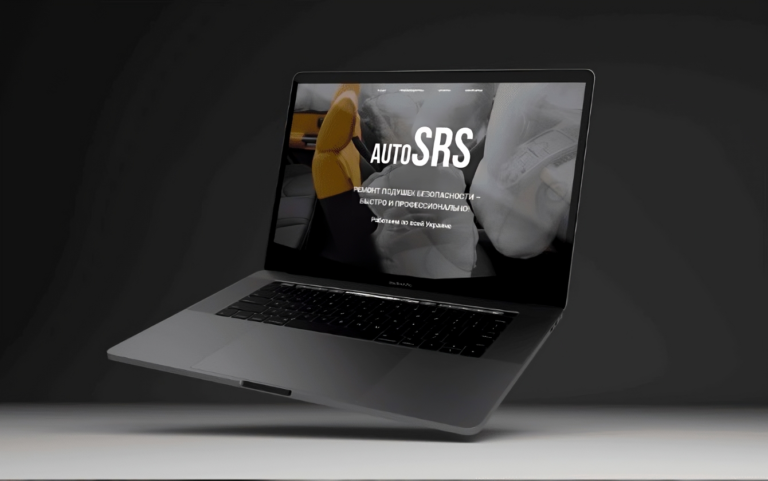
Case study on creating a landing page for an airbag repair center
We were asked to help with online promotion by AutoSRS, a car airbag repair center located in Odesa and operating throughout Ukraine.
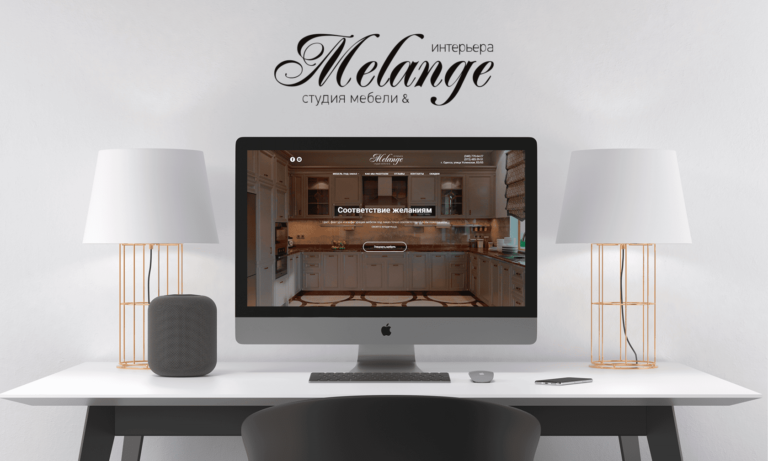
Case study. Creation of a corporate website for the Melange furniture and interior studio
4Limes was approached by Melange, a furniture and interior design studio from Odesa, which operates throughout Ukraine, creating furniture for individual orders.
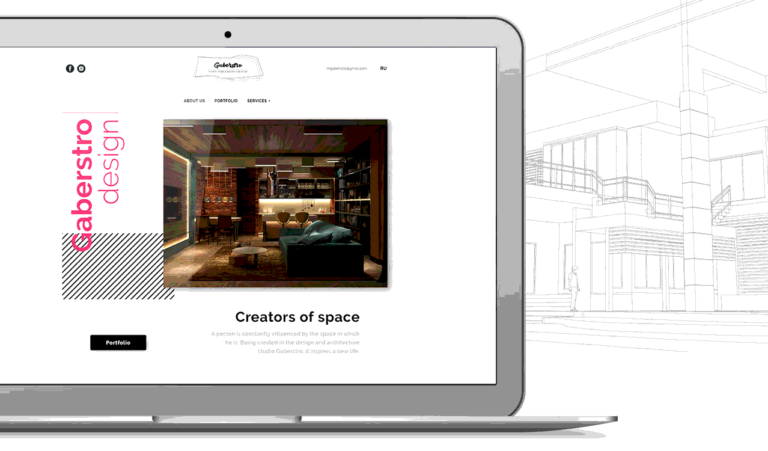
Case study. Creation of a corporate website for the interior and architecture studio Gaberstro
4Limes was approached by Margarita Gaberstro, an interior design and architecture studio. Gaberstro Studio was founded in 2016 in Odesa, but operates throughout the CIS.
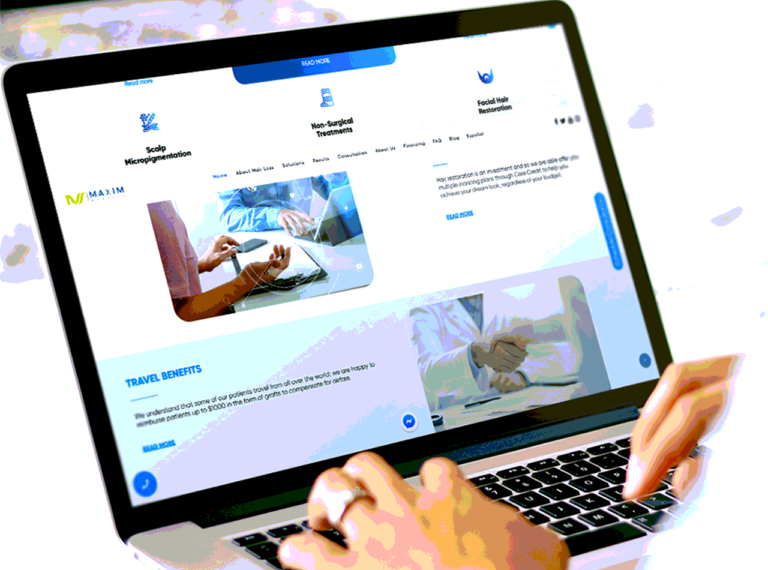
Website development for MaximMedical clinic
Our company was contacted by a client, a representative of the MaximMedical robotic hair transplant clinic. This clinic operates in Florida and is a leading innovative clinic in the US market. The use of the latest technologies, the result and quality of procedures - all this makes it possible to be a leader and fulfill the desires of its clients.