Attracting an audience to a nutrition marathon: 2,138 participants at $2.6 per subscription. ROAS 518%
Details
When the marathon was ready to launch, the client faced a problem: she needed to attract a target audience from Ukraine and Europe that would be interested in this marathon.
The task
Client: Nutritionist
Objective: attracting the target audience to a 5-day online marathon
Traffic source: YouTube ads
Traffic collection: LGT with transition to chatbot
Duration: 1 month
Work progress
Analysis and segmentation of target audiences
Creating advertising scenarios
Preparation and launch of advertising strategy
We collected “special audiences” that included keywords, links to competitors' websites and YouTube channels of interest to the target audience. Additionally, we offered to create 3 multi-targeted videos that could be used in both horizontal and vertical formats, which simplified campaign management and improved results.
Campaign scaling and problem solving
Work on attracting an audience to the nutrition marathon
The following steps were taken to launch the free 5-day online marathon:
- Analysis and segmentation of target audiences
To launch the marathon, we analyzed and segmented target audiences. By focusing on newcomers to nutrition, we were able to fine-tune our marketing campaigns to meet their interests and needs:
- health maintenance – those who care about their nutrition;
- problem solving – those who have any problems with the gastrointestinal tract;
- Overweight – those who want to reduce their weight without exhausting diets;
- family health – those who want to improve their family’s diet and make it healthier.
- Creation of advertising scenarios
To create scripts for advertising videos, we follow a specific structure:
Viral beginning: The video begins with an exciting or emotionally appealing moment that is designed to grab the audience’s attention and spark interest in further viewing.
Transition to the middle: After a compelling introduction, we move to the middle of the video, where we briefly and clearly present the main information about the service(s). Here it is important to be clear and concise so that the message is understood by the viewers.
Emphasize the call to action: The video ends with a bright and clear call to action. The purpose of this stage is to encourage the viewer to take specific actions after watching the video.
We also prepared recommendations for shooting and editing the video. Instead of the author always being close to the camera, we suggest alternating plans: combining close and distant angles to create dynamics. This may include using one device for recording with the ability to change focus and perspective, instead of two devices. This approach can improve visual perception and make the video more engaging.
To increase audience engagement, we recommended using animated elements and pop-ups that can include useful information, testimonials, or even videos with screenshots from other social platforms. This will add more interactivity to the content and help engage the audience.
Preparing and launching an advertising strategy
At this stage, we move on to collecting audiences and setting up ads. We put more emphasis on gathering “special audiences” that will contain manually collected keywords by groups, links to competitors’ websites, YouTube channels, and more.
We also advised our client to optimize his video content strategy to increase the effectiveness of his advertising campaigns. We recommended focusing on creating 3 multipurpose videos instead of 5, which can be adapted for both horizontal and vertical formats. The use of multi-purpose videos will allow for more efficient use of resources and time, while maintaining high quality content.
Testing a new type of campaign
At this stage, we focused on the European consumer audience. This allowed us to specialize our approach and better adapt our advertising strategies to the cultural characteristics and interests of this geographic group.
The main innovation of this stage was the testing of a new type of campaign called Demand Generation in Google Ads. This type of campaign offers unique opportunities:
- Leveraging similar audiences: We used our existing audience data to create new similar audiences. This allowed us to expand our reach by reaching out to new potential customers who have similar interests to our core audience.
- Dynamic work with texts and creatives: our team developed a number of creatives that dynamically changed depending on the audience’s response. This means that instead of static display of the same advertising message, we used different combinations of texts, images, and videos to attract the audience’s attention.
- Optimized targeting: Instead of focusing on demographic data, as is done in traditional campaigns, we focused on audience interests. This allowed us to more accurately reach those people who are most likely to be interested in our services.
During testing, we saw a significant improvement in campaign performance. The optimization and dynamism of the new type of campaign allowed us to reduce the cost of customer acquisition, improve the quality of leads, and increase the overall volume of traffic to our resources. In addition, we noted greater engagement with the audience, which indicates that our advertising strategy is highly relevant to the needs of the target audience.
Scaling problems and their solutions
During the launch, we faced the problem of scaling in a short time. Each time we tried to increase the budget, the cost of subscription increased significantly, and there was not enough time for optimization due to the peculiarities of advertising campaigns. For future launches, we plan to scale with several advertising accounts, where each account will have its own target groups and creatives. This will allow us to manage advertising campaigns more efficiently and achieve better results with optimized analytics.
Testing new advertising formats
Additionally, we implemented and monitored a new type of campaign called Demand Gen in Google Ads. This allowed us to analyze the effectiveness of advertising campaigns in real time and adjust our strategies to increase ROI.
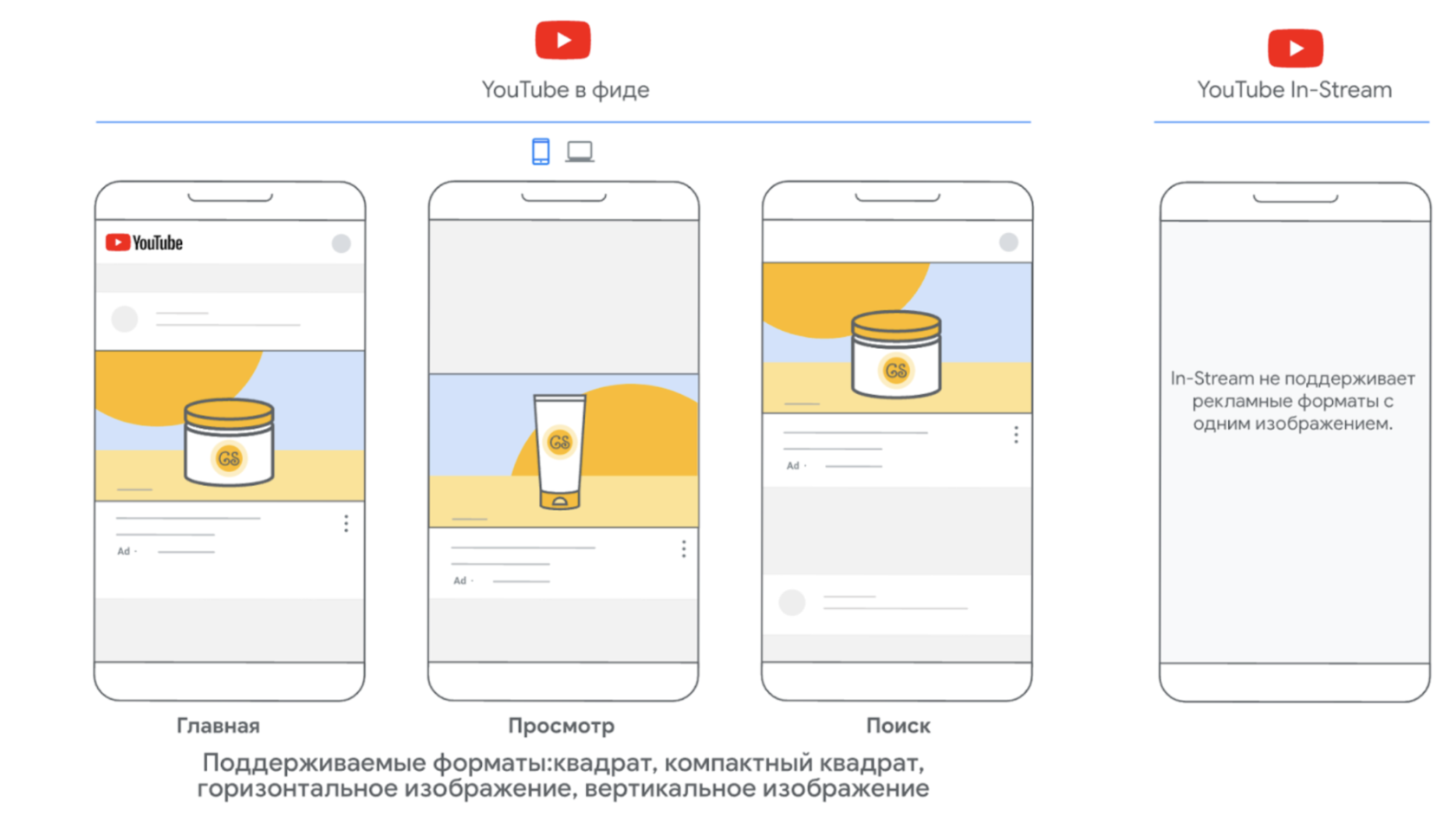
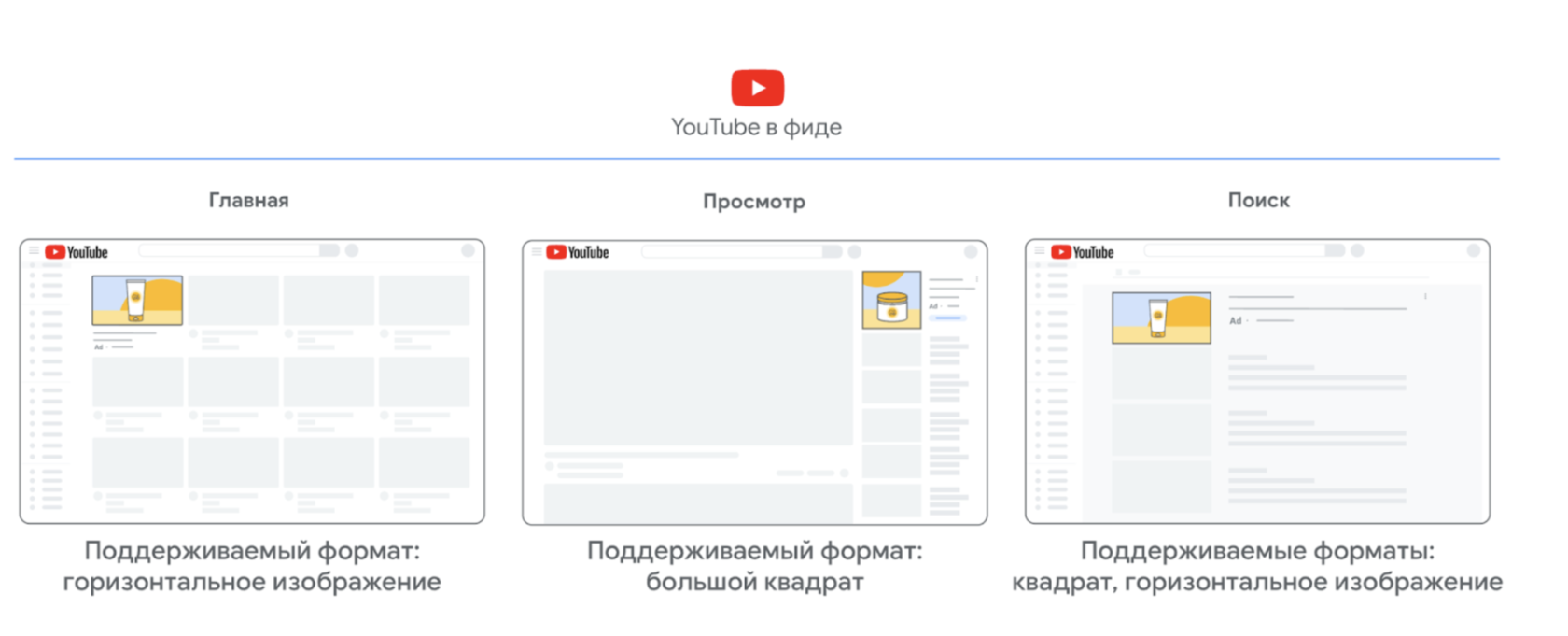
In October, Google’s Ads Account was updated. For example, a new type of campaign called Demand Gen was introduced for video ads. This campaign type supports both video format and banner ads (formerly Discovery) and is displayed on YouTube, Google, and Gmail.
As for video ads, this type of campaign is shown on the following platforms: the main page of YouTube recommendations in the mobile version, YouTube In-Stream (when watching videos on mobile and on PC), YouTube Shorts in the mobile version on the main page of Google search recommendations.
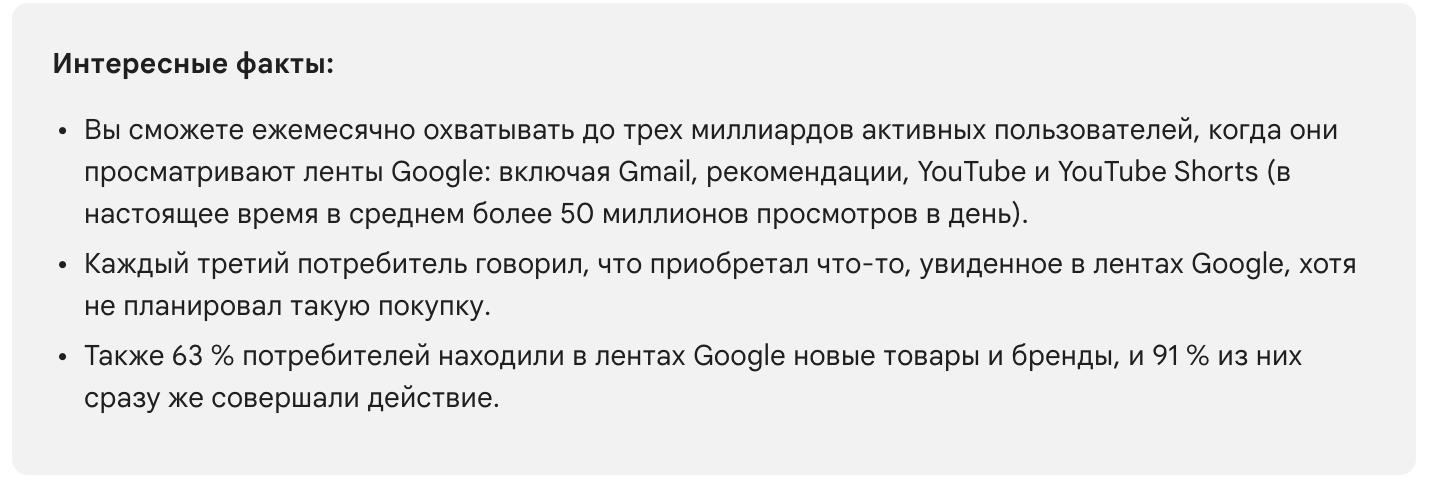
This is a new traffic format and shows better results compared to display ads, as they are shown on Google platforms. Google recommends using one of the campaign goals: sales, leads, traffic. You should use LGT as a landing page. This ad format is dynamic. In one video ad, you can add 5 videos, 5 short titles, 5 long titles, 5 descriptions, and a logo, and the algorithms will show different combinations and optimize for the best options.
One of the advantages of this type of campaign is the ability to create similar audiences (for example, based on a database or form submission analytics), which was not possible before. And also the fact that optimized targeting works more correctly and has fewer unnecessary clicks and low-quality leads (since campaigns are not shown on partner sites, but only on Google sites). We conducted several tests and saw positive results.
Results of the nutrition marathon promotion
Key results
Reporting period: 2023.10.01–2023.10.08
The budget was used: $1421.24
Total subscriptions in the bot: 494
Subscriptions in your account across all campaigns: 460
Average subscription price (according to the bot): 2,88
Number of clicks: 4460
CV sites: 11.08%
Overview of the advertising account
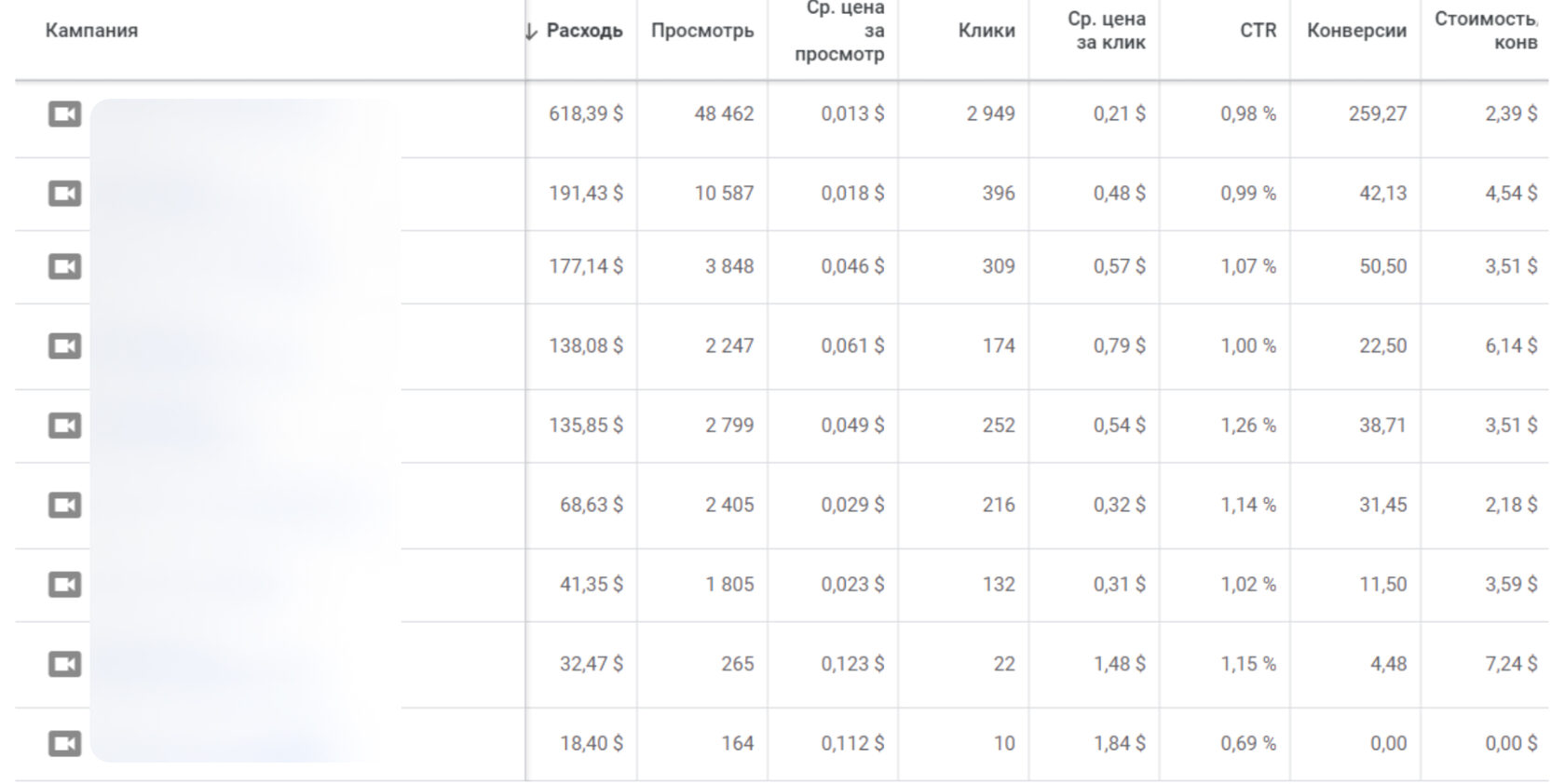
Reporting period: 2023.10.09–2023.10.31
The budget was used: $1,567.98
Total subscriptions in the bot: 602
Subscriptions in your account across all campaigns: 582
Average bid price (according to the bot): 2,6
Number of clicks: 17165
CV sites: 3.51%
Overview of the advertising account
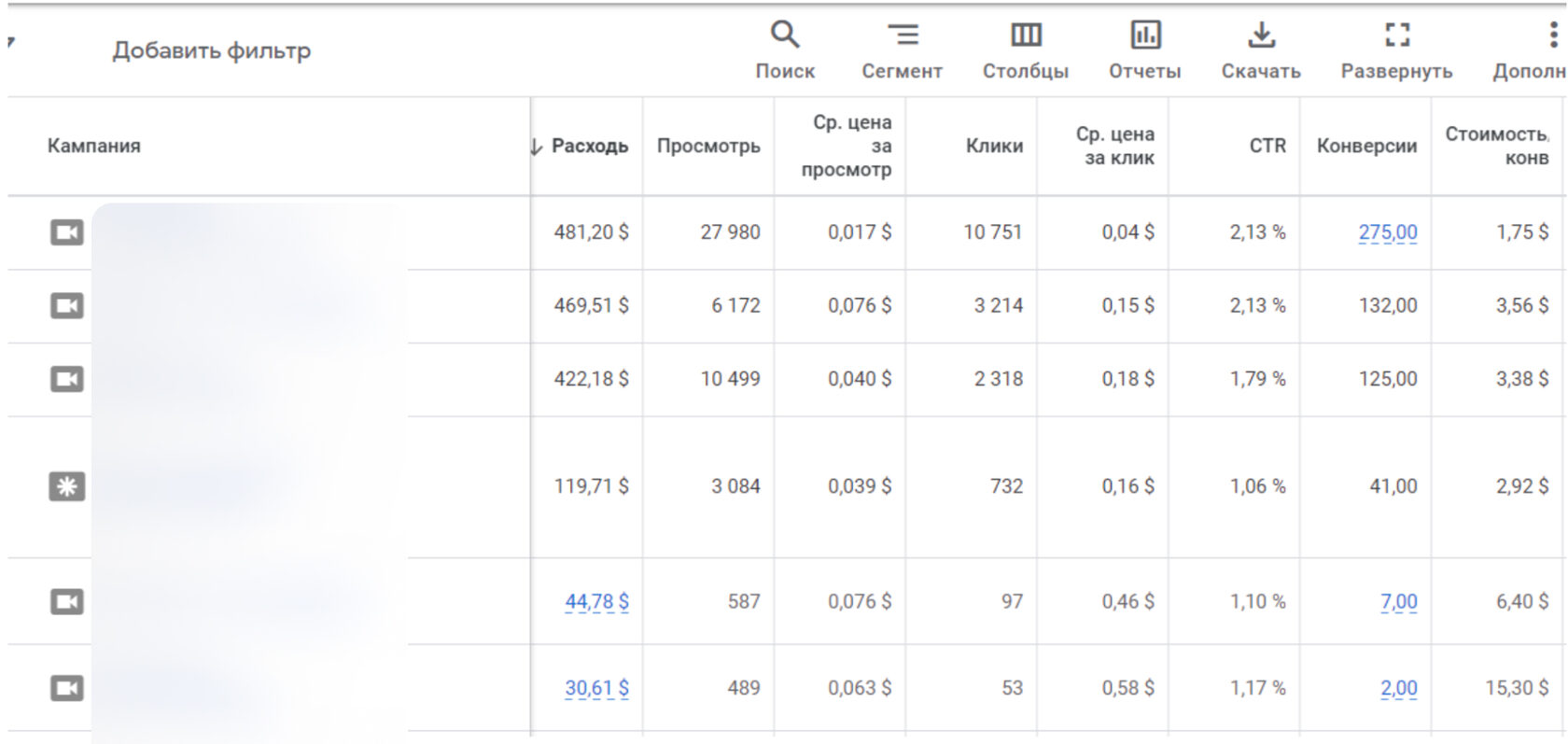
Conclusions
Overall, the project to promote the nutritionist’s online marathon was highly effective, demonstrating our ability to achieve amazing results through innovative advertising strategies, creative content, and flexible budget management. This marathon brought in sales of $15,500, which indicates a 518% return on investment.
From November 1 to November 8, we used $1421.24 of the planned budget of $2000, attracting 494 subscriptions through the bot and 460 subscriptions through campaigns with an average cost per subscription of $2.88. From November 9 to November 30, the budget of $1567.98 allowed us to get 602 subscriptions through the bot and 582 subscriptions through campaigns, with an average cost per subscription of $2.6.
Based on the performance analysis, we advised the client to focus on creating 3 multipurpose videos and make changes to the filming technique to add dynamics and interactivity to the content. These changes helped increase audience engagement.
Are you an expert who has your own course, but don’t know how to attract participants? Don’t hesitate to contact 4Limes! Leave a request and our specialist will contact you shortly for a consultation.
Do you have any questions?
Our experts are ready to answer them. Leave your contact details. We will be glad to discuss your project!
Book a consultationOther cases
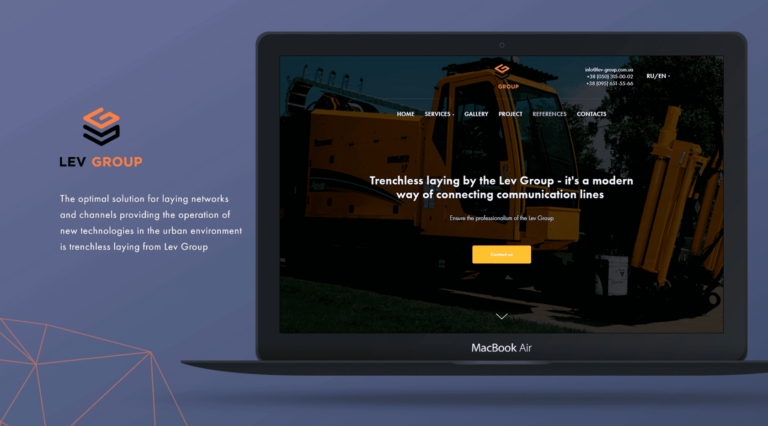
Website development for engineering networks
JWG received an order to create a website for Lev Group, an Odesa-based construction company of engineering networks. The company needed to re-launch its brand to present its services in a clear and favorable way.
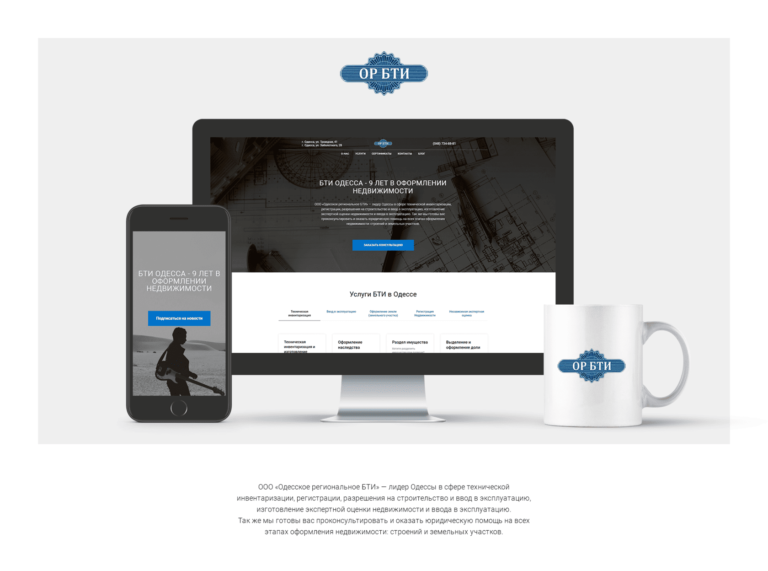
Case study. How to create a selling website and increase sales of real estate and legal services
4Limes was contacted by OR BTI, a company that specializes in providing comprehensive real estate services in Odesa and Odesa region. The company has been helping its clients since 2007.
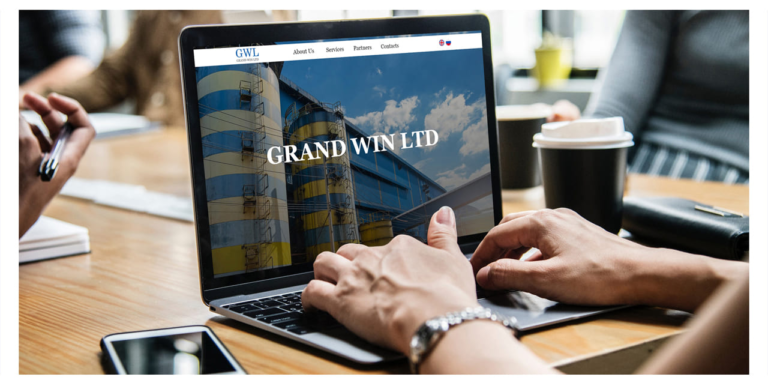
Case study. Website development for industry, GRAND WIN LTD
We were contacted by GRAND WIN LTD, founded 6 years ago in the UK. It is one of the largest companies engaged in trading of oil and fat industry processing products and organization of freight forwarding services in Europe and Ukraine.
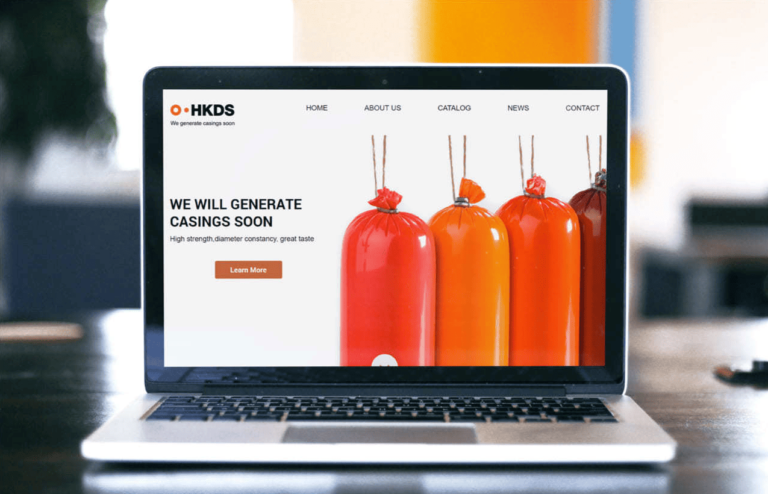
Case. Website development for the company HKDS
Our company was contacted by a client, a representative of the HKDS production. This is a large enterprise for the production of polyamide casings for food products located in Germany. This production is characterized by modern innovative technologies, which ensures competitive potential in the market.
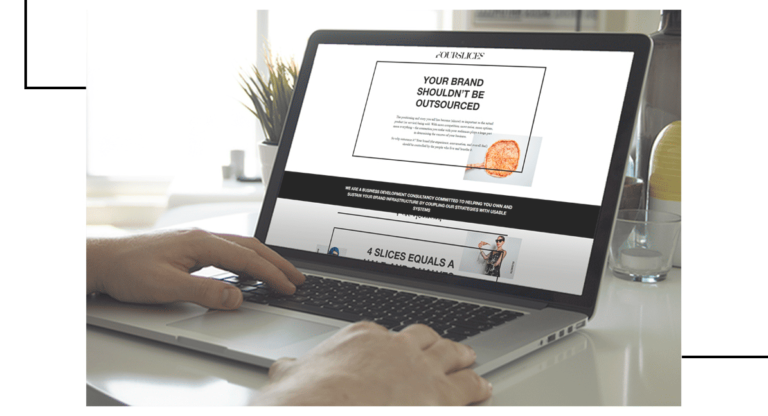
Case study. Creation of a corporate website for an advertising agency from the USA
Fourslices is an international advertising company based in New York (USA). It provides services in the field of online marketing and implementation of digital solutions for business.
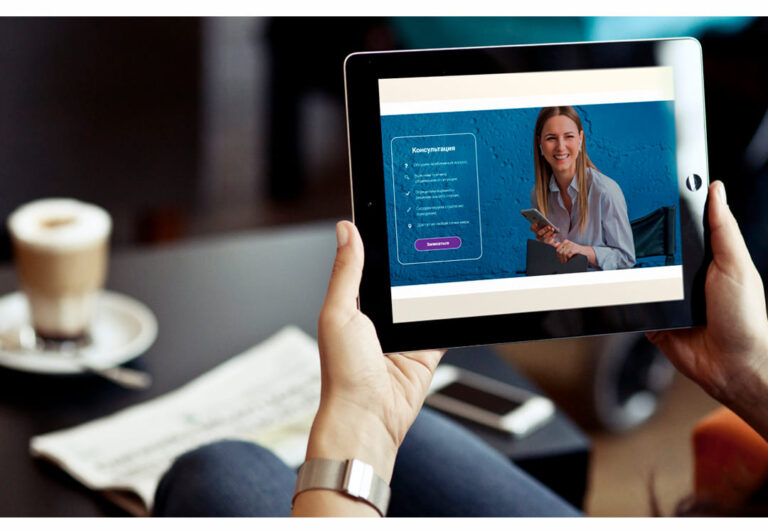
Case study on creating a selling website for a practicing family psychologist
Ira Nemova is a psychologist specializing in family relationships and child-rearing, founder and owner of a private kindergarten. Ira consults and conducts trainings throughout Ukraine.
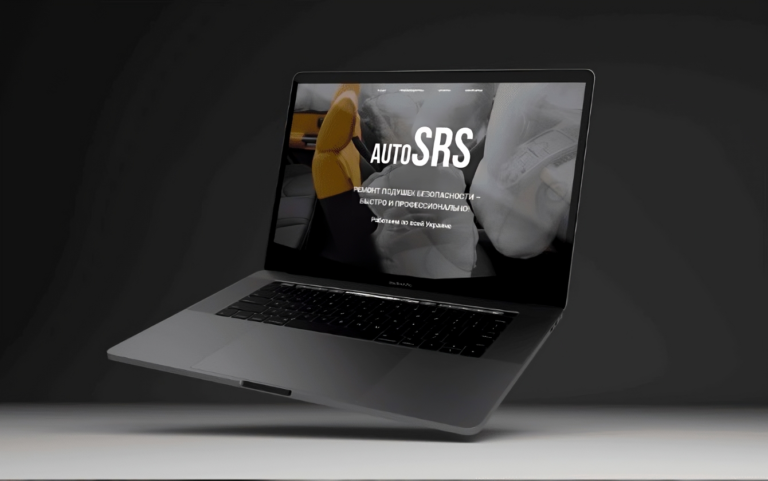
Case study on creating a landing page for an airbag repair center
We were asked to help with online promotion by AutoSRS, a car airbag repair center located in Odesa and operating throughout Ukraine.
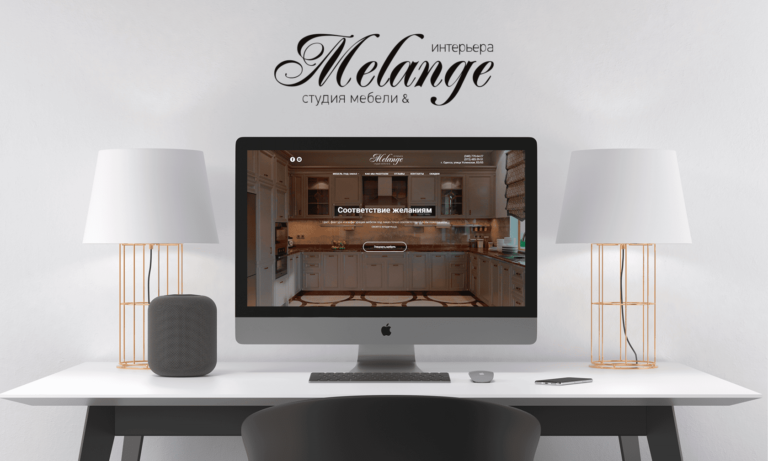
Case study. Creation of a corporate website for the Melange furniture and interior studio
4Limes was approached by Melange, a furniture and interior design studio from Odesa, which operates throughout Ukraine, creating furniture for individual orders.
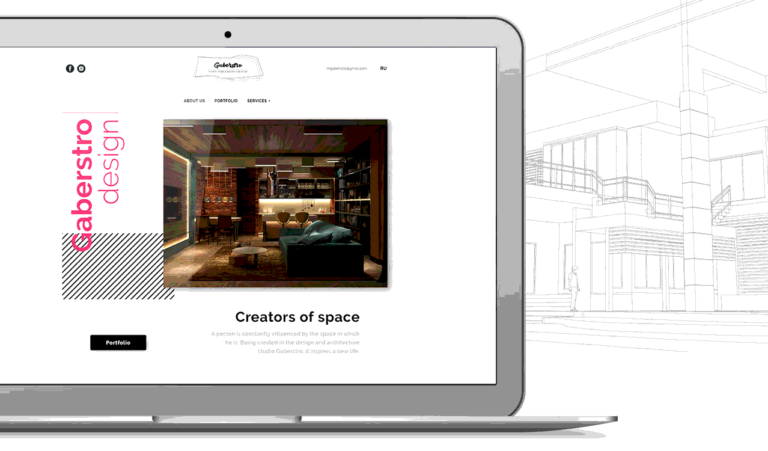
Case study. Creation of a corporate website for the interior and architecture studio Gaberstro
4Limes was approached by Margarita Gaberstro, an interior design and architecture studio. Gaberstro Studio was founded in 2016 in Odesa, but operates throughout the CIS.
Website development for MaximMedical clinic
Our company was contacted by a client, a representative of the MaximMedical robotic hair transplant clinic. This clinic operates in Florida and is a leading innovative clinic in the US market. The use of the latest technologies, the result and quality of procedures - all this makes it possible to be a leader and fulfill the desires of its clients.