Lead Generation on YouTube for Tarot Courses: max ROAS of 1,416.04%

Details
The client had a clear request:
- To develop advertising offers that will not be blocked by YouTube (which often happened when launching independently in similar niches).
- Reduce the cost of a lead to $1.5-2 (before that, the cost of a lead was $2.4-3.1).
- Increase the volume of leads by 1.5-2 times (previously, the average monthly figure was 712 leads).
- Increase ROAS to 300% (at that time, the client’s ROAS was 120%).
Task
Client: tarot card reading courses
Goal: lead generation; traffic to the evergreen funnel in Telegram
Source of traffic: YouTube Ads
Period of work: 07.03.2023-26.06.2024
Target segments: “experienced” (those who have knowledge from various sources) and newcomers.
Funnel
We implemented an effective sales funnel to achieve the client’s goals. First, users see an ad that directs them to a landing page. There they get a link to a free course of 7 lessons. These lessons, delivered via a chatbot, can be completed in a day or a week. After that, users are offered an extensive course.
After completing the free course, they are sent a link to a sales video. Potential customers who become leads get access to a page with detailed information about the curriculum of the paid course.
Work progress
Project analysis and strategy preparation
Setting up and running YouTube Ads
Working with the gray niche and avoiding blockages
Creating advertising creatives with AI
Landing page optimization
Testing a new type of campaign (Demand Gen)
Scaling and optimization of campaigns
Progress and features of the niche
- We conducted a comprehensive audit of the client’s business/project, including an analysis of all indicators and processes.
- We analyzed competitors’ advertising creatives and sales funnels in detail. This allowed us to identify the most effective strategies and avoid the mistakes made by others.
- Niche features:
Strategies for avoiding YouTube ad blocking
Based on the analysis of competitors, we have identified several features that relate to gray niches and planned advertising campaigns on YouTube. The topic of tarot, divination, and esotericism is gray and borderline for YouTube. Therefore, using a regular advertising account to run ads significantly increases the risk of being blocked.
Therefore, it is necessary to start with the fact that you must have a high-trust advertising account. You can either rent it yourself or cooperate with an agency that is a Google Marketing Partner and has such high-trust accounts.
We are Google Premium Marketing Partners, and we have high-trust advertising accounts, which allows us to pass the moderation of ads without any problems. Even in case of blocking of advertising accounts, we have the opportunity to communicate with support and get them unblocked. If the account is completely blocked, we can create a new account within a few hours and continue advertising.
Thus, the key feature of working in this niche is the presence of a trust advertising account.
What is the basis for Google’s blocking?
Google can block your ad account due to the presence of stop words in your ad creatives or landing page. These words are critical for moderation and Google’s robots, and can lead to your ads not passing moderation or, in the worst case, your account being blocked.

So, one of the peculiarities of creating advertising creatives and landing pages is to avoid stop words that can cause blocking of advertising accounts. Instead of using them, you can show the product or element in the video itself with a visual image or demonstration of the product in your hands, without the need to call it text. Thus, the robot does not recognize these words, which ensures successful moderation.
We have prepared scenarios taking into account the absence of trigger words. In addition, we have removed these words from the landing page where traffic is directed.
Peculiarities of working with a gray niche
Since a niche is gray, it can be unacceptable to many people. Subsequently, when your ads are seen by a large number of people, you may receive many complaints about them. This leads, firstly, to an increase in the cost of conversion, and secondly, to blocking ads and the time of the advertising cabinet.
To avoid this, we agreed with the client on the possibility of updating advertising creatives twice a month. This way, even if complaints about the creatives start to come in, they don’t accumulate so much in two weeks that it would lead to the blocking of the Cabinet. So, we agreed with the client to update the advertising creatives every two weeks.
Strategies for creating creatives
Since we needed to change creatives frequently, the client and I developed additional strategies for creating them. We suggested creating a virtual avatar, which we implemented using the Heygen neural network. We cloned the client’s voice through the Eleven Labs neural network, which allowed us to write a script, make voiceover in the client’s voice, and generate a commercial using the virtual avatar at any time.
In addition, we asked the client to record a large number of lifestyle videos, which we later voiced using a neural network, adding thematic b-rolls and lifestyle videos of the client. We created some of the videos with the client’s voiceover. This allowed us to set up a systematic release of content at the required speed with little or no client involvement, thanks to the use of a neural network.
Avoiding landing page blocking
The problem of potential ad blocking also applies to landing pages. If ads are running for a long time and users start sending complaints, this can lead to blocking. That’s why we agreed with the client to update the landing pages at least once a month, changing not only the text and visuals, but also the page addresses. We had about four different sites to which we changed addresses and redirected traffic once a month. This allowed us to avoid blocking advertising accounts for almost six months. This strategy proved to be effective, as the client had worked with five contractors before us, and they all faced constant blocking of their advertising accounts and videos that were not moderated.
- We developed an advertising strategy for promoting the project on YouTube, taking into account the client’s needs and capabilities. Prepared promotional materials that comply with YouTube’s policies, while clearly communicating the message to the target audience.
- Launched an advertising campaign that weeded out ineffective hypotheses and analyzed effective ones for further implementation and scaling.
Work on the project
Test period
Setting up and testing:
- We set up and tested 4 campaigns by geography.
- Tested new creatives and LTAs for different geographies.
- We customized the ads (texts, UTM tags).
- We set the goal of “click on the button.” (Usually, when working with clients, we always set deeper goals for advertising optimization: not just a click on the button, but also a subscription to the bot, a specific targeted action within the bot, and a purchase. Unfortunately, the client’s ChatBot platform was quite young, and they were only planning to add the functionality of full integration with Google Analytics and Google Tag Manager over time).
- We launched and optimized advertising campaigns and monitored the budget.
Optimization of advertising campaigns:
- We turned off groups and creatives that brought expensive results.
- Disabled display on some devices.
- We optimized audience groups.
In the process, we faced the problem of displaying conversions: conversions were displayed incorrectly in the advertising account – the number of subscriptions was higher than recorded in the chatbot. After re-integrating, we managed to minimize the difference, which was insignificant for further work on the project.
Results:
- Subscriptions in the ad account (845) and in the chatbot (832) differed slightly, possibly due to unsubscribes or loss of some data when importing conversions.
- The best results in terms of cost per subscription were shown by the Ukraine campaign. The rest of the geographies were in the same price category.
If you set up ads with optimized chatbot subscriptions, there will always be a discrepancy between those who clicked on the button on the website and those who actually subscribed to the bot. The average discrepancy for Facebook ads is usually between 10 and 25%.
The peculiarity of video ads on YouTube is that sometimes the discrepancy reaches 40% or even more. It strongly depends on how much the target audience has interacted with chatbots before. Therefore, take this feature into account when setting up ads optimized for chatbots on YouTube.
The scaling stage
Initially, the client had one offer for which we tested ads. However, due to certain problems, we decided to add another offer for testing.
After the test period, advertising traffic was directed to this new offer. During the big launch, traffic in Europe was initially directed to a landing page targeting users who were already familiar with the topic and had some experience (we call them “hackers”). However, due to low performance, the campaign was relaunched with a focus on newcomers. Despite these changes, the prices remained unstable, so we decided to update the creatives and try different formats, including adding vertical videos.
We shot 5 videos, from which we made 5 horizontal and 5 vertical videos using editing. The author used various accentuating movements, such as covering the camera with her hand, zooming in and out effects, leaning towards the camera, and tapping on it to attract attention in the first 3 seconds. We used dynamic effects, changing angles, adding screenshots with information or feedback, and lots of pop-up elements.
To engage the audience and keep their attention, we decided to add scripted solutions for a few seconds at the beginning of the video. This included the use of clickbait elements in the first 3 seconds to ensure that viewers’ attention was held.
Testing a new type of campaign
In October 2023, a new type of campaign called Demand Gen was introduced in Google’s Ads Account. This type of campaign supported video and banner ads (formerly Discovery) and was shown on YouTube, Google, and Gmail.
Campaigns were shown on the following platforms: YouTube’s main recommendation page on mobile, In-Stream when watching videos on mobile and PC, YouTube Shorts on mobile, and Google Search’s main recommendation page.
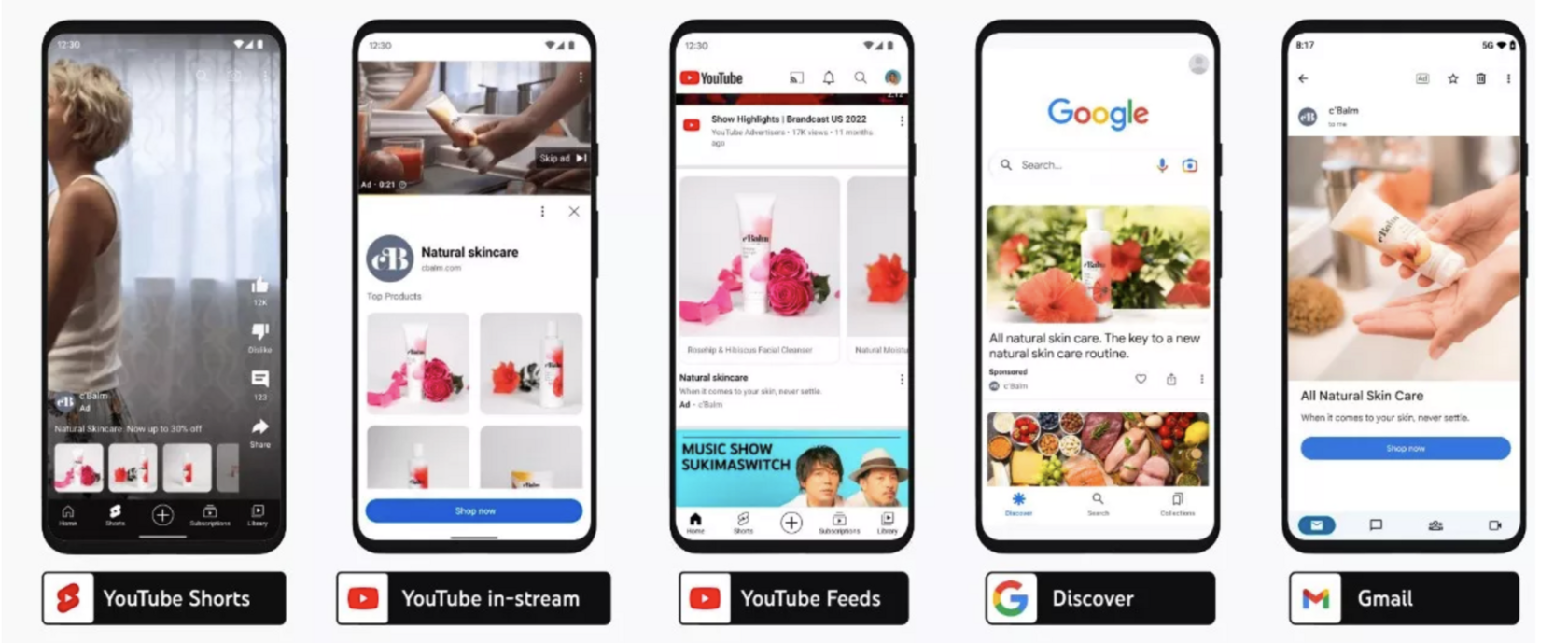
This traffic format showed better results compared to PPC advertising, as it was shown on Google platforms.
It was recommended to use the following goals for campaigns: sales, leads, traffic. The landing page was the main page of the YouTube channel.
This type of ad was dynamic, allowing you to add 5 videos, 5 short titles, 5 long titles, 5 descriptions, a logo, and the algorithms showed different combinations and optimized for the best options.
Benefits: creation of similar audiences, optimized targeting worked more correctly, fewer clicks and low-quality leads, campaigns were not shown on partner platforms, but only on Google platforms.
Thus, we conducted several tests that showed positive results.
Tracking budgets and optimizing campaigns
In November
We relaunched our campaigns to new LHTs using a new campaign type.
The launch of the new campaign type also brought positive results. If we compare the results of subscriptions for the previous month and this month, we managed to reduce the average cost of a subscription from $2.6 to $2.15. After changing the LCT and campaign type, we reduced the subscription price by 20%.
We also saw a drop in CTR and an increase in the percentage of conversion from click to subscription. This means that the click-through rate has become lower, but more targeted.
In December
The launch of a new type of campaigns continued to bring positive results. We continued to monitor budgets and optimize campaigns throughout December, focusing on efficiency and adjusting creatives.
In January
we discussed several targeting changes that were immediately implemented. We added a 55-64 age group to our European campaigns, and limited our Ukrainian campaigns to targeting Russian-speaking audiences aged 25 to 64. After these changes, the average cost per subscription was reduced to $1.18.
Due to the very low ROAS for the “Buying Europe” and “New Europe” campaigns, it was decided to suspend traffic to both campaigns on January 26. It was necessary to revise the GEO targeting and launch new LCTs for the buying GEOs.
In March
In March, we continued to monitor budgets and optimize campaigns by cutting out expensive creatives and groups. We launched 2 new campaigns for new LHTs (we got caught up).
During this period, $2310.23 was spent on advertising campaigns. The average price per subscription at this time was $2.08. In this period, the average price per subscriber increased compared to the previous period, as there were no new creatives, and advertising campaigns for new LHTs had just launched and had not yet been optimized. The average ROAS reached 615.06%.
In April
Launched 1 new campaign for new LGBT (newcomers) and disabled YouTube ads in Ukraine. Launched 2 new campaigns for LGTs (old-timers).
During this period, $2358.99 was spent on advertising campaigns. The average subscription price at this time was $1.77. In this period, the average price per subscriber decreased compared to the previous period. We are currently testing old and new LSTs (we’ve got a lot of them). To understand which LFTs generate more sales, we need sales data by LFT.
In May
In May, we continued to monitor budgets and optimize campaigns, including:
- Shutting down expensive creatives and launching new ones.
- Disabling expensive groups.
- Restarting campaigns to reduce the average cost per lead.
During this period, $2286.36 was spent on advertising campaigns. The average subscription price at this time was $2.31. During this period, the average price per subscriber increased compared to the previous period, as different LHTs were tested. Also, old creatives were used for three weeks.
We started testing creatives created with the help of AI.
In June
In June, $1954.11 was spent on advertising campaigns. The average cost per subscriber was $2.29. In this period, the average price per subscriber decreased slightly compared to the previous period. At the moment, we have returned traffic to some of the old campaigns. We also achieved a record ROAS of 1,416.04%.
The creatives created with the help of AI have shown good results, so we are keeping them in use for now. However, we recommend alternating them with live creatives with our client.
Promotion results
Key results
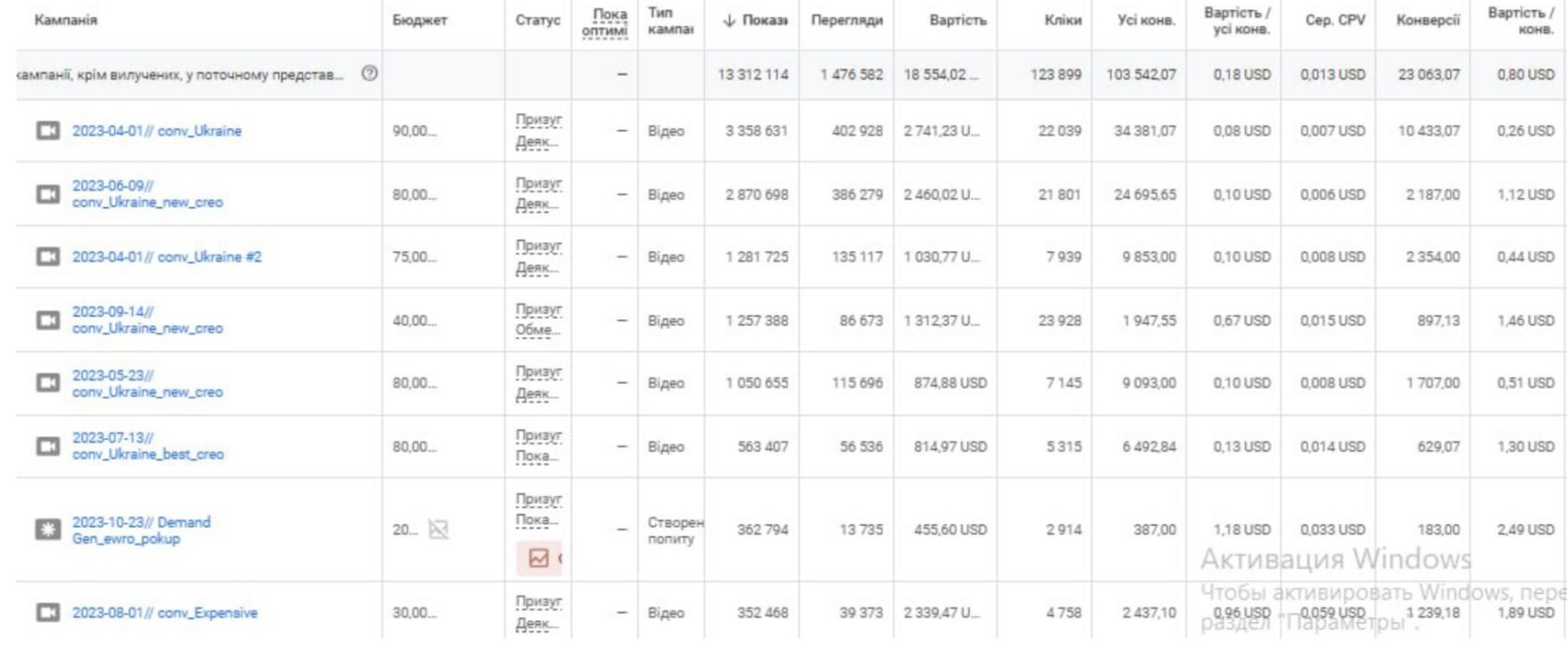
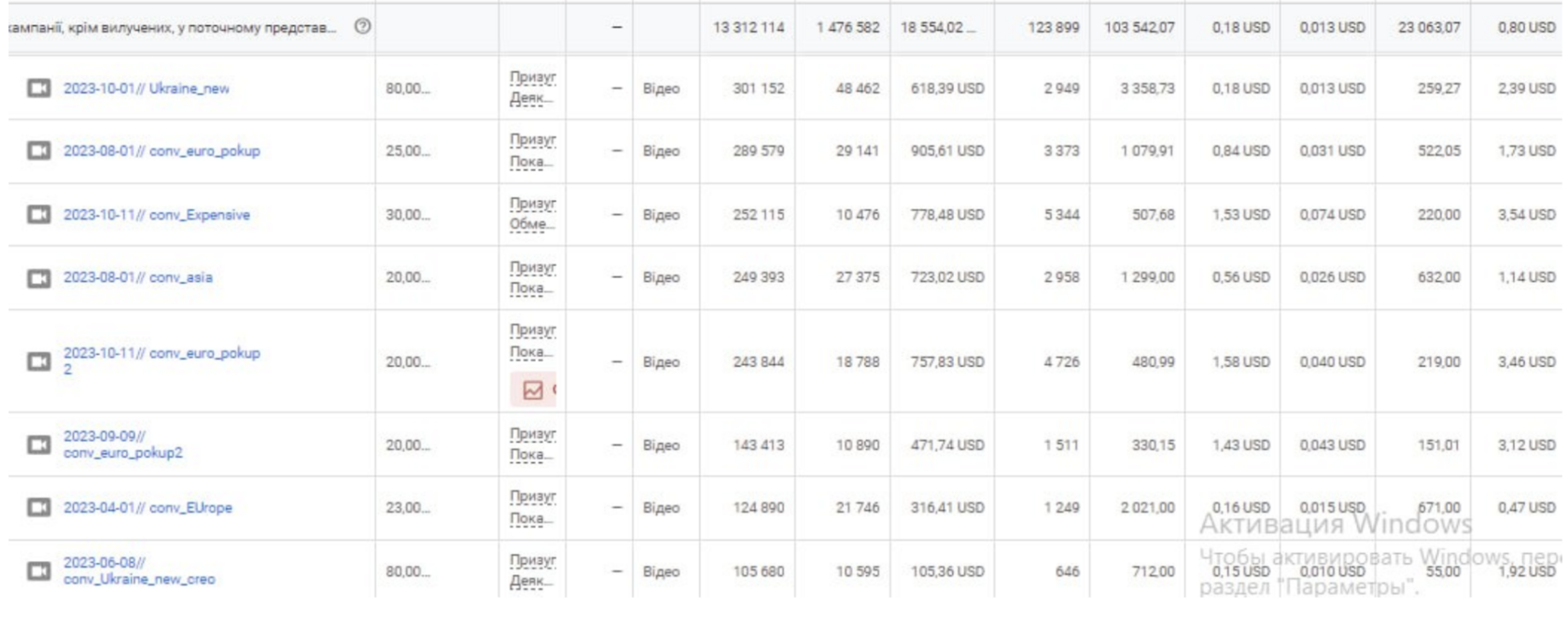
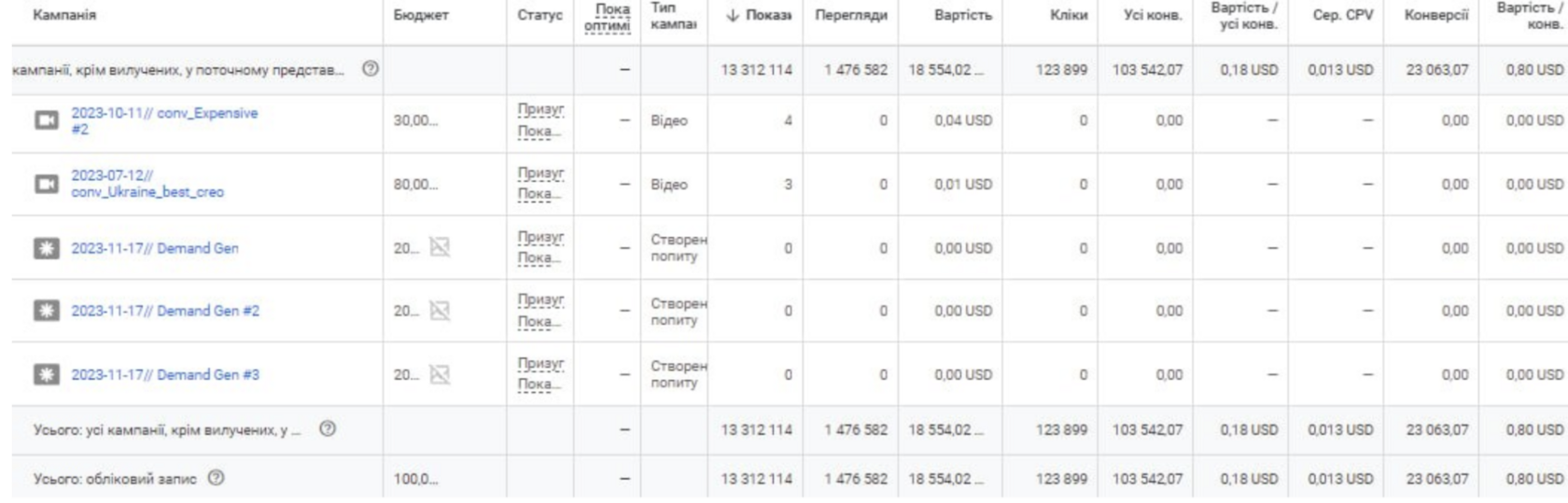
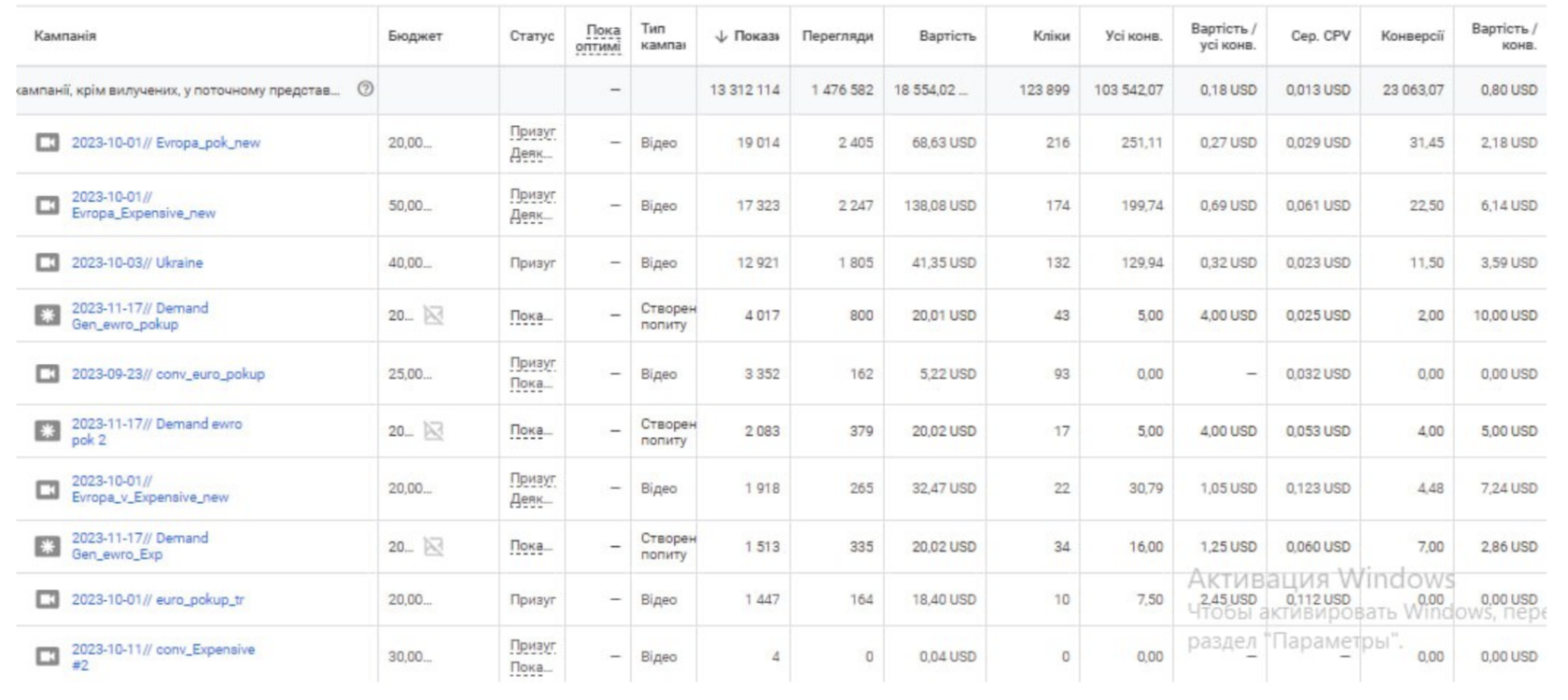
The main advertising indicators can be seen on the screen from the advertising cabinet, but let’s open the curtain a little bit on the payback.
Working not only with advertising, but also with the product, we managed to bring the average ROAS to 615.06%, and the record ROAS for the month is 1,416.04%.
- Clicks – 335494
- Number of subscriptions – 21774
- Expenses – $30179.95
- Number of sales – 679
- Revenue amount – $107846.14
- Total ROAS – 357.34%.
Conclusions
During 07.03.2023-26.06.2024, we achieved significant results in cooperation with a client engaged in tarot. We received 335,494 clicks, 21,774 subscriptions, 679 sales, which brought total revenue of $107846.14 with total expenses of $30,179.95. The overall ROAS was 357.34%.
Thanks to our work, we managed to reduce the average cost of a subscription, optimize advertising campaigns, and increase the effectiveness of advertising creatives. After implementing new strategies and creatives created with the help of AI, we achieved stable results and improved conversion rates.
The client is satisfied with our work, and we continue to cooperate, helping them attract even more customers.
Do you find it difficult to launch YouTube ads without being blocked in a similar niche? Don’t hesitate to contact 4Limes! Leave a request and our specialist will contact you shortly for a consultation.
Do you have any questions?
Our experts are ready to answer them. Leave your contact details. We will be glad to discuss your project!
Book a consultationOther cases
Website development for engineering networks
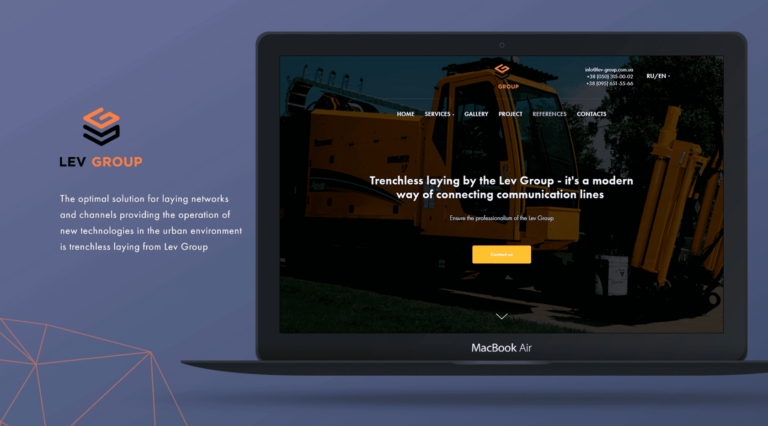
JWG received an order to create a website for Lev Group, an Odesa-based construction company of engineering networks. The company needed to re-launch its brand to present its services in a clear and favorable way.
Case study. How to create a selling website and increase sales of real estate and legal services
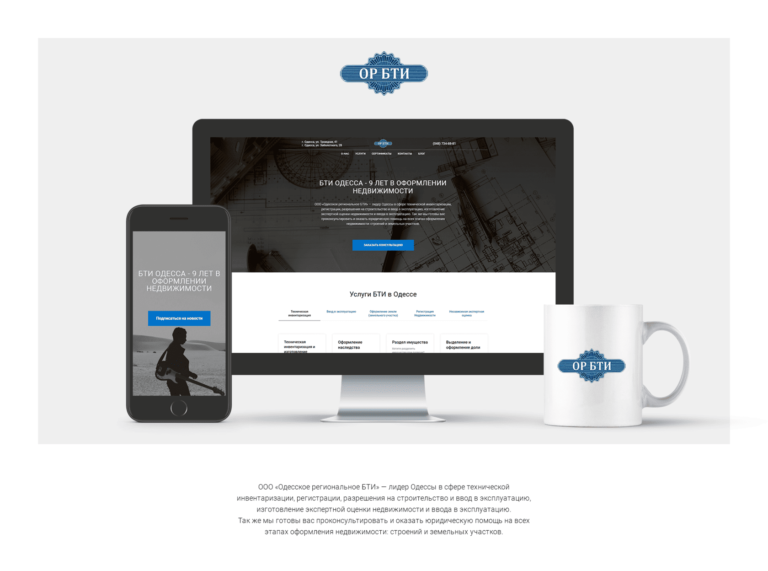
4Limes was contacted by OR BTI, a company that specializes in providing comprehensive real estate services in Odesa and Odesa region. The company has been helping its clients since 2007.

Case study. Website development for industry, GRAND WIN LTD
We were contacted by GRAND WIN LTD, founded 6 years ago in the UK. It is one of the largest companies engaged in trading of oil and fat industry processing products and organization of freight forwarding services in Europe and Ukraine.
Case. Website development for the company HKDS
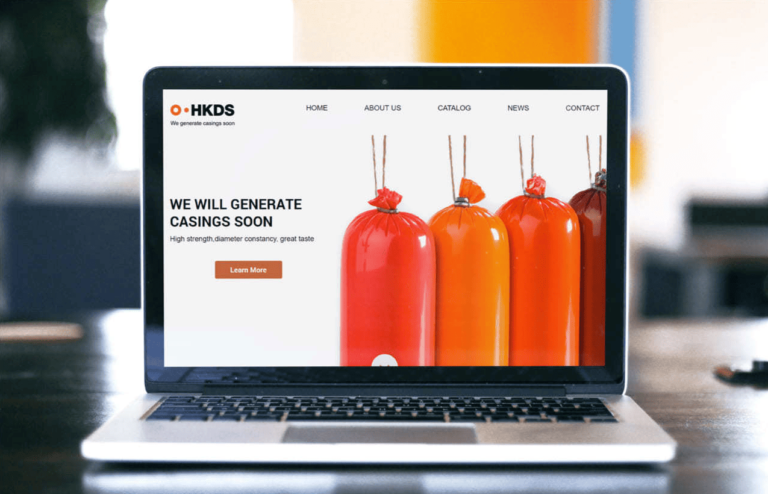
Our company was contacted by a client, a representative of the HKDS production. This is a large enterprise for the production of polyamide casings for food products located in Germany. This production is characterized by modern innovative technologies, which ensures competitive potential in the market.
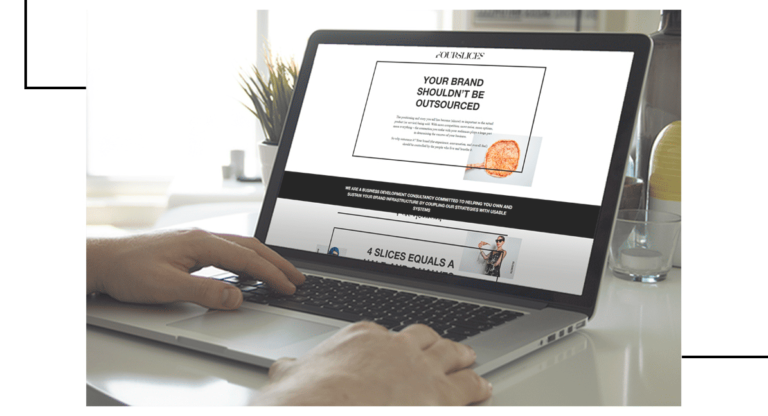
Case study. Creation of a corporate website for an advertising agency from the USA
Fourslices is an international advertising company based in New York (USA). It provides services in the field of online marketing and implementation of digital solutions for business.
Case study on creating a selling website for a practicing family psychologist
Ira Nemova is a psychologist specializing in family relationships and child-rearing, founder and owner of a private kindergarten. Ira consults and conducts trainings throughout Ukraine.

Case study on creating a landing page for an airbag repair center
We were asked to help with online promotion by AutoSRS, a car airbag repair center located in Odesa and operating throughout Ukraine.
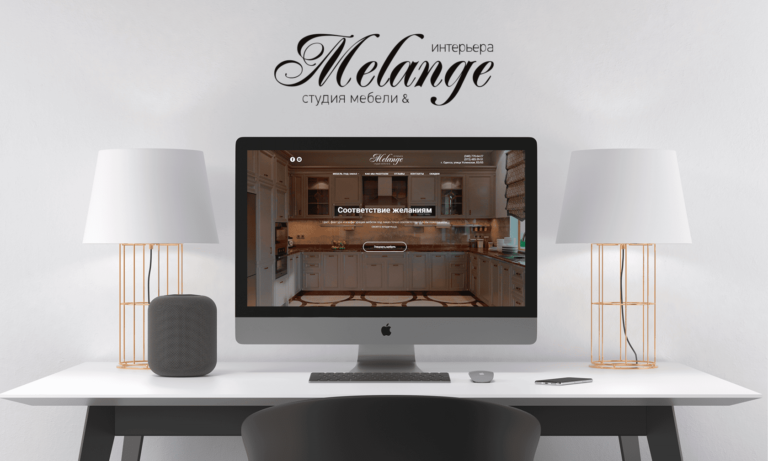
Case study. Creation of a corporate website for the Melange furniture and interior studio
4Limes was approached by Melange, a furniture and interior design studio from Odesa, which operates throughout Ukraine, creating furniture for individual orders.
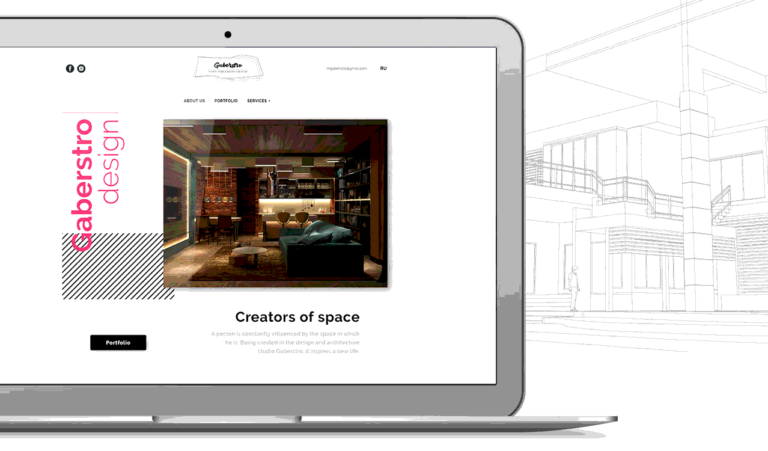
Case study. Creation of a corporate website for the interior and architecture studio Gaberstro
4Limes was approached by Margarita Gaberstro, an interior design and architecture studio. Gaberstro Studio was founded in 2016 in Odesa, but operates throughout the CIS.
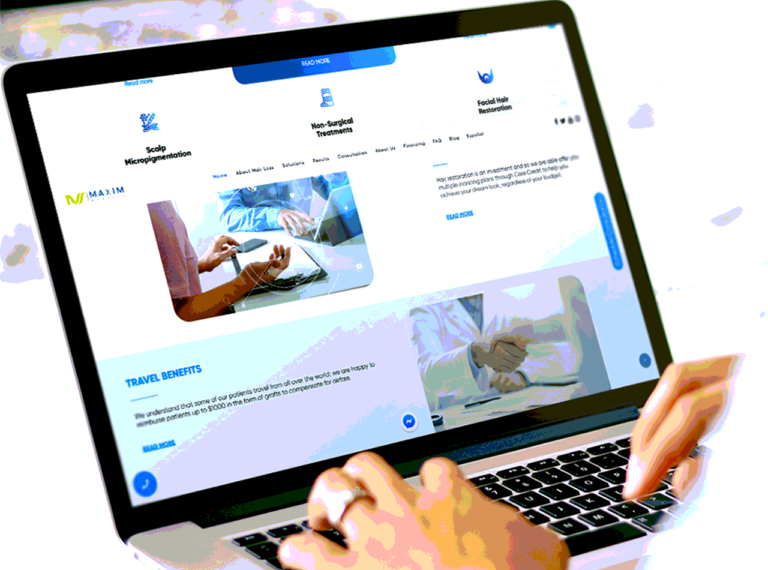
Website development for MaximMedical clinic
Our company was contacted by a client, a representative of the MaximMedical robotic hair transplant clinic. This clinic operates in Florida and is a leading innovative clinic in the US market. The use of the latest technologies, the result and quality of procedures - all this makes it possible to be a leader and fulfill the desires of its clients.