Lead generation for an online 3D modeling school: ROI 1395.06

Details
About client
Client: 3D modeling school for game development
Goal: traffic to the website to buy courses.
Advertising platform: Facebook
Duration of work: 2 months
Progress of work
- Creating a marketing foundation for the project
- Regular calls with the client to discuss advertising goals and KPIs.
- The marketer and targeting specialist gave recommendations on how to improve the website so that it would meet the lead generation goals.
- Development of technical specifications for creatives and design of static advertising materials.
- Supporting the client at all stages of the advertising campaign, including quick response in case of emergencies.
- Reporting on the results of the advertising campaign.
- Developing a media plan based on the results.
Work progress
Basic marketing strategy
Planning an advertising campaign
Optimization of work with the advertising auction
Create and test working connections
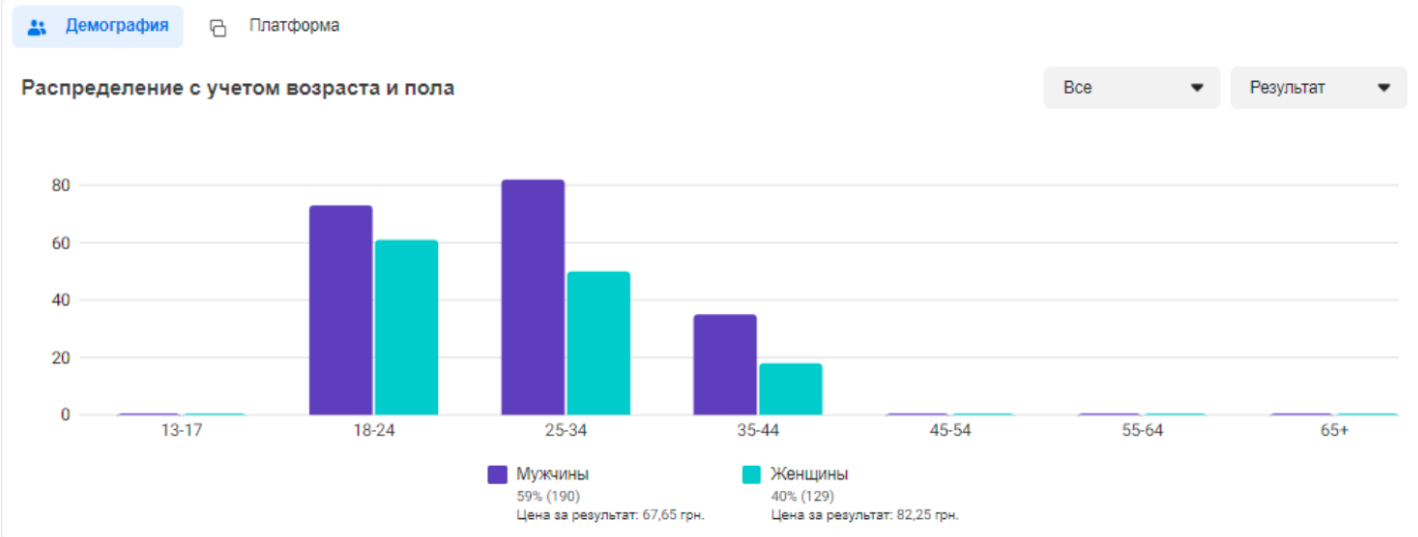
Initially, our target audience consisted of 60% men (mostly aged 25-34) and 40% women (mostly aged 18-24).
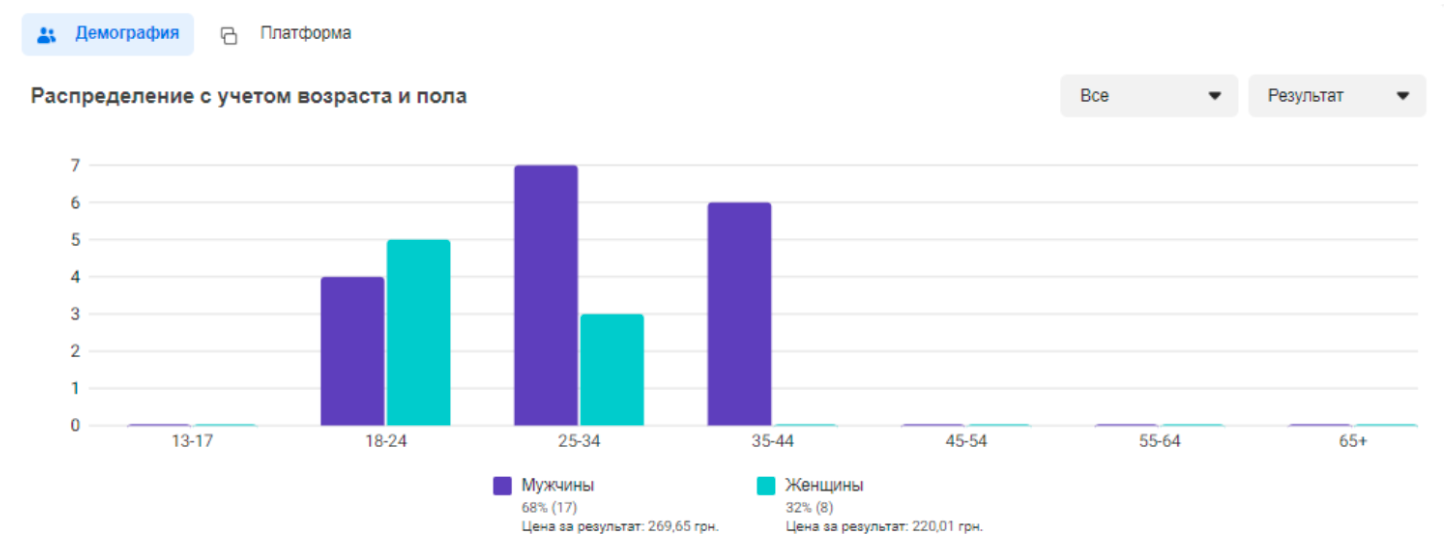
Subsequently, the age distribution remained the same, but the percentage ratio changed: now the audience consisted of 68% men and 32% women.
What the client got from Facebook promotion
Key results
Reporting period 10.01–02.02.2024
- The budget was used: 30 099.25 UAH ($746.73)
- For the webinar: UAH 23,690.24 ($587.73)
- For the course: 6 409 UAH ($159)
- Total applications for the course: 25
- Average bid price: 256.36 UAH ($6.36)
- Total leads to the webinar: 324
- The average price of a lead: 73.12 UAH ($1.81)
- Return on investment (ROI): 1395.06%
- Purchase of the course: 15 (the cost of the course is 30 000 UAH / $745)
Overview of the advertising account

Conclusions
The advertising campaign was quite successful in terms of key performance indicators. Audience engagement was within normal limits, with good click-through rates, likes, and reposts.
During the advertising campaign period from January 10 to February 2, 2024, we attracted 25 leads to the course with an average price of $6.36 per lead and 324 leads to the webinar with an average price of $1.81 per lead. Among them, 15 users purchased the course at a cost of 30,000 UAH / $745.
The client was satisfied because we were able to attract numerous leads to the webinar and ensure a sufficient number of applications for the course at an optimal cost.
Do you have any questions?
Our experts are ready to answer them. Leave your contact details. We will be glad to discuss your project!
Book a consultationOther cases
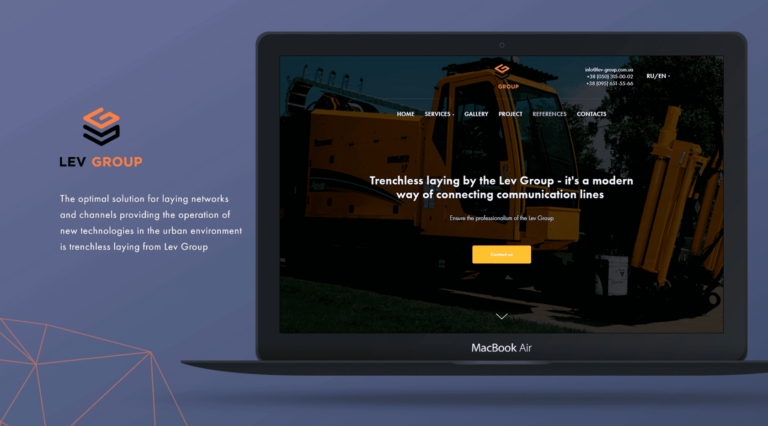
Website development for engineering networks
JWG received an order to create a website for Lev Group, an Odesa-based construction company of engineering networks. The company needed to re-launch its brand to present its services in a clear and favorable way.
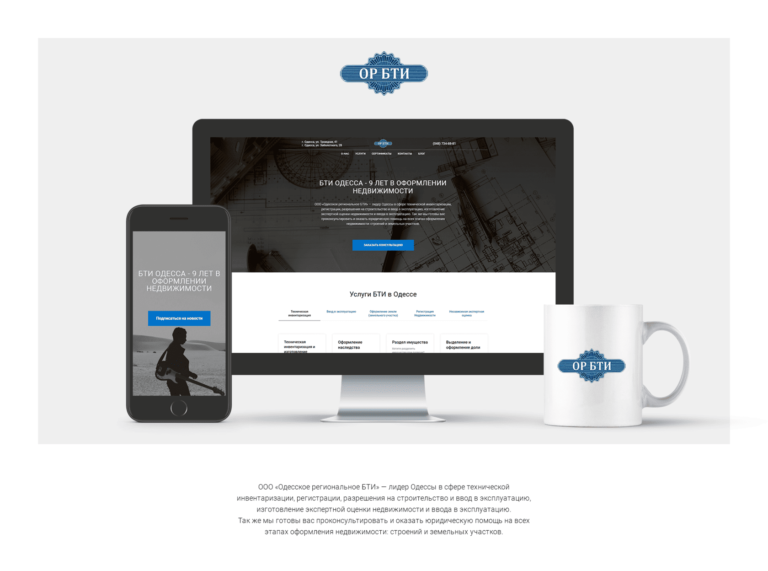
Case study. How to create a selling website and increase sales of real estate and legal services
4Limes was contacted by OR BTI, a company that specializes in providing comprehensive real estate services in Odesa and Odesa region. The company has been helping its clients since 2007.
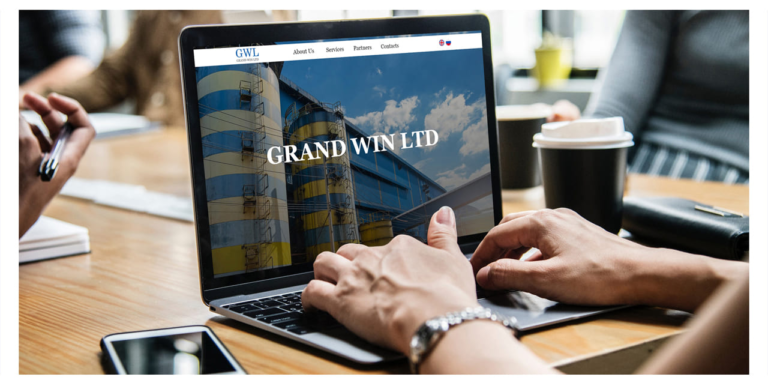
Case study. Website development for industry, GRAND WIN LTD
We were contacted by GRAND WIN LTD, founded 6 years ago in the UK. It is one of the largest companies engaged in trading of oil and fat industry processing products and organization of freight forwarding services in Europe and Ukraine.
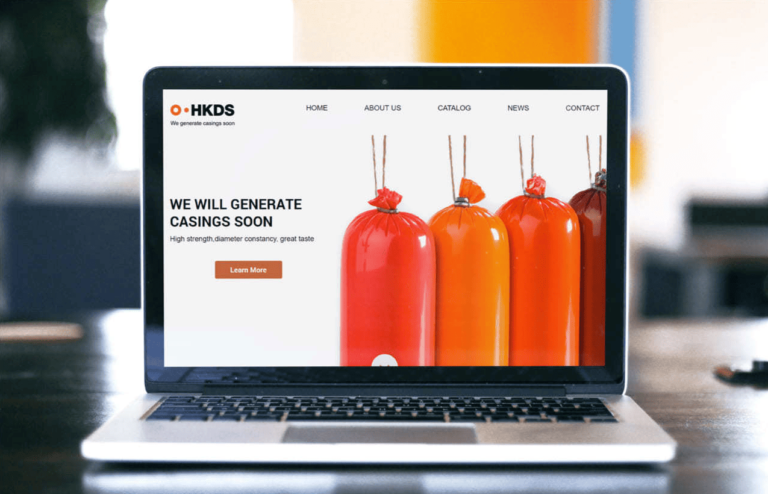
Case. Website development for the company HKDS
Our company was contacted by a client, a representative of the HKDS production. This is a large enterprise for the production of polyamide casings for food products located in Germany. This production is characterized by modern innovative technologies, which ensures competitive potential in the market.
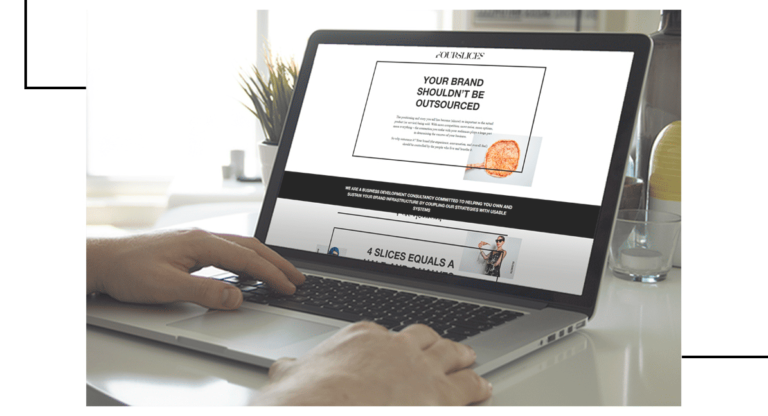
Case study. Creation of a corporate website for an advertising agency from the USA
Fourslices is an international advertising company based in New York (USA). It provides services in the field of online marketing and implementation of digital solutions for business.
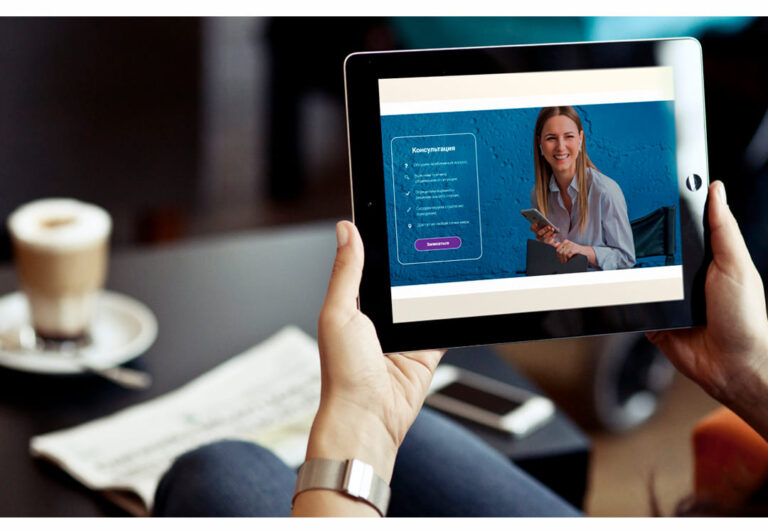
Case study on creating a selling website for a practicing family psychologist
Ira Nemova is a psychologist specializing in family relationships and child-rearing, founder and owner of a private kindergarten. Ira consults and conducts trainings throughout Ukraine.
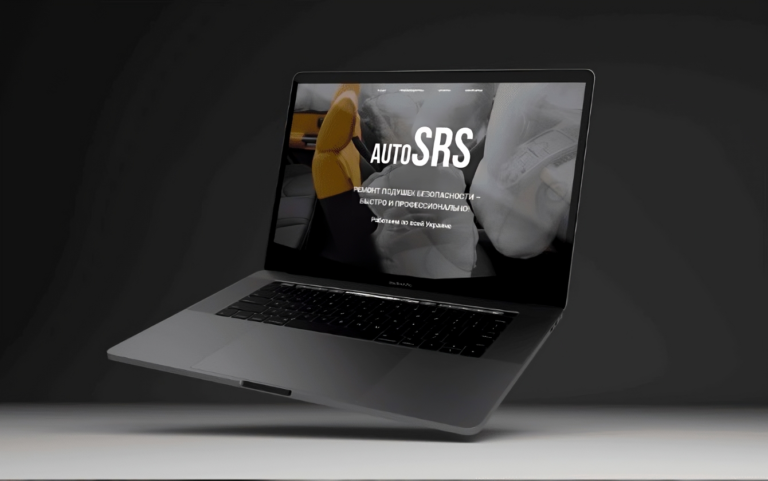
Case study on creating a landing page for an airbag repair center
We were asked to help with online promotion by AutoSRS, a car airbag repair center located in Odesa and operating throughout Ukraine.
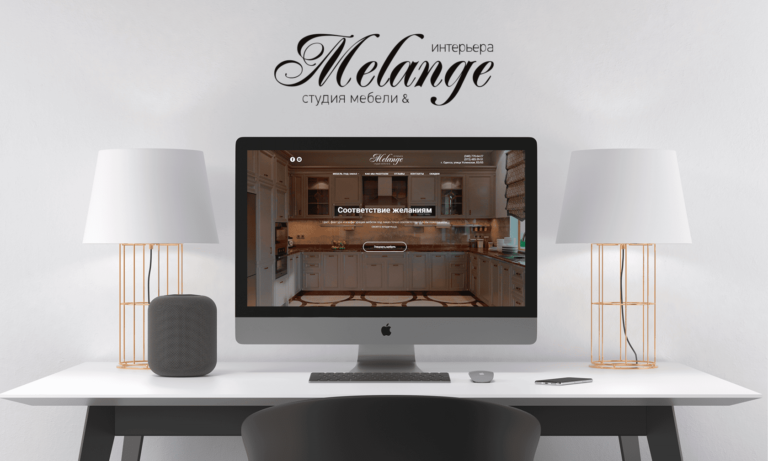
Case study. Creation of a corporate website for the Melange furniture and interior studio
4Limes was approached by Melange, a furniture and interior design studio from Odesa, which operates throughout Ukraine, creating furniture for individual orders.
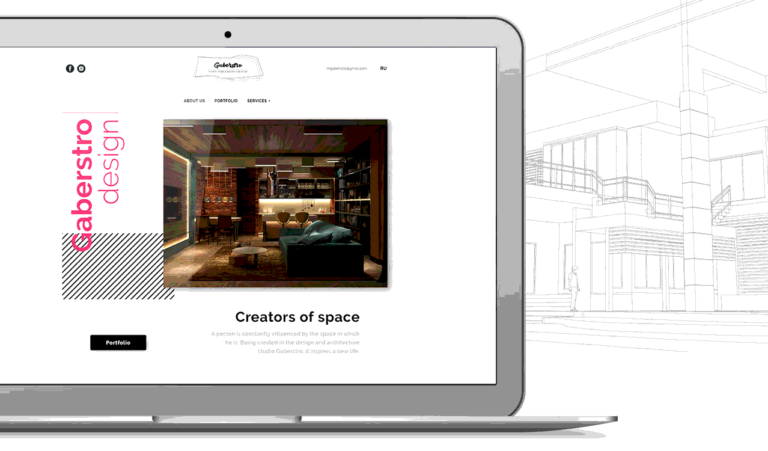
Case study. Creation of a corporate website for the interior and architecture studio Gaberstro
4Limes was approached by Margarita Gaberstro, an interior design and architecture studio. Gaberstro Studio was founded in 2016 in Odesa, but operates throughout the CIS.
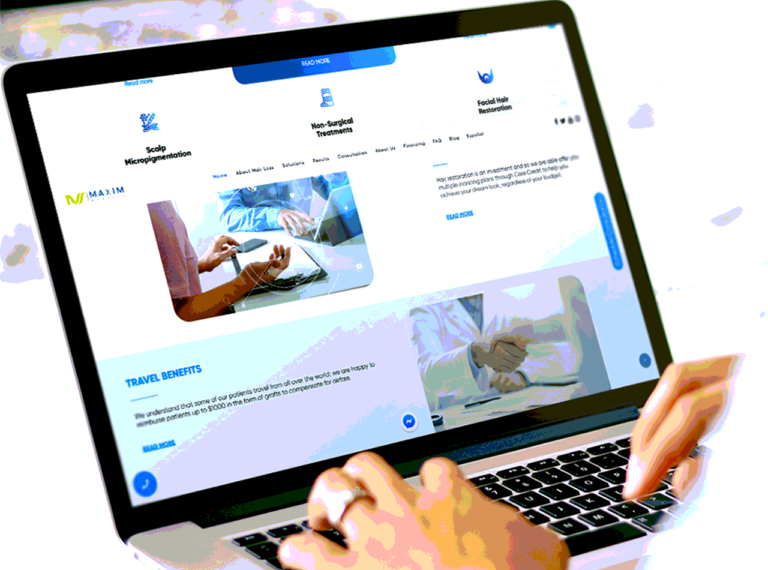
Website development for MaximMedical clinic
Our company was contacted by a client, a representative of the MaximMedical robotic hair transplant clinic. This clinic operates in Florida and is a leading innovative clinic in the US market. The use of the latest technologies, the result and quality of procedures - all this makes it possible to be a leader and fulfill the desires of its clients.