Promoting food delivery with Facebook Ads: ROAS 297.85% in 40 days
Details
The café is located next to several higher education institutions, and the client noticed that neighboring cafés were actively selling coffee and pastries in the morning. In order to attract more visitors and provide additional monetization opportunities, the client decided to conduct an experiment by opening the coffee shop 2 hours earlier than usual, as well as expanding its menu with desserts and coffee assortment. To test this hypothesis, the client planned to launch an advertising campaign.
Tasks
Our team was tasked with taking into account the client’s wishes and developing a strategy in a highly competitive market. It is also worth noting that the Japanese cuisine segment remains a “special” occasion for most users to order. Therefore, we took this factor into account in our creative strategy.
Traffic: to the site – conversion to orders
Traffic source: Facebook Ads
Conversion price: up to $4 per order
Delivery time: 40 days
Work progress
Client analysis and task setting
Project implementation: Online ordering strategy
Prepare and customize campaigns
Launch and optimization
Project implementation: Offline point strategy
We started working on the project by analyzing the website, social media, and advertising campaigns launched in the past and checking the analytics. It's worth noting that 90% of users who view ads through social media use mobile devices. Therefore, the main problem we faced on the site was the complete lack of adaptation for mobile devices. Our team provided recommendations for improving the site, and we implemented them ourselves. This is a big advantage of comprehensive work on the project, starting with marketing analysis, making changes, and implementing the strategy in advertising campaigns.
Then we worked on the target audience. We identified key audience segments, as well as triggers and incentives for advertising offers. This work was familiar to us, as we have many years of experience working with various food delivery companies and have a good understanding of the target audience segments. After the launch of the advertising campaign, the results confirmed that all our hypotheses were correct.
The segments we started working with:
Segment 1 – IT specialists and designers (As you know, IT and digital specialists spend a lot of time working and hardly cook on their own, so they are a perfect fit for the client’s portrait). The ages were left in a wide range from 18 to 54. For the sake of purity, we immediately excluded the interests of segment 2 and the audience of those who have already made any purchases.
Segment 2 – Fans of Asian cuisine. The age was left in a wide range from 18 to 54 years. Also, for the sake of purity of results, we immediately excluded segment 1 and the audience of those who had already made any purchases.
After the analysis, we proceeded to create a promotion strategy. It’s worth mentioning that the offline outlet is located in an active neighborhood and combines takeaway and in-store functions. The client’s goal was to increase visits in the morning.
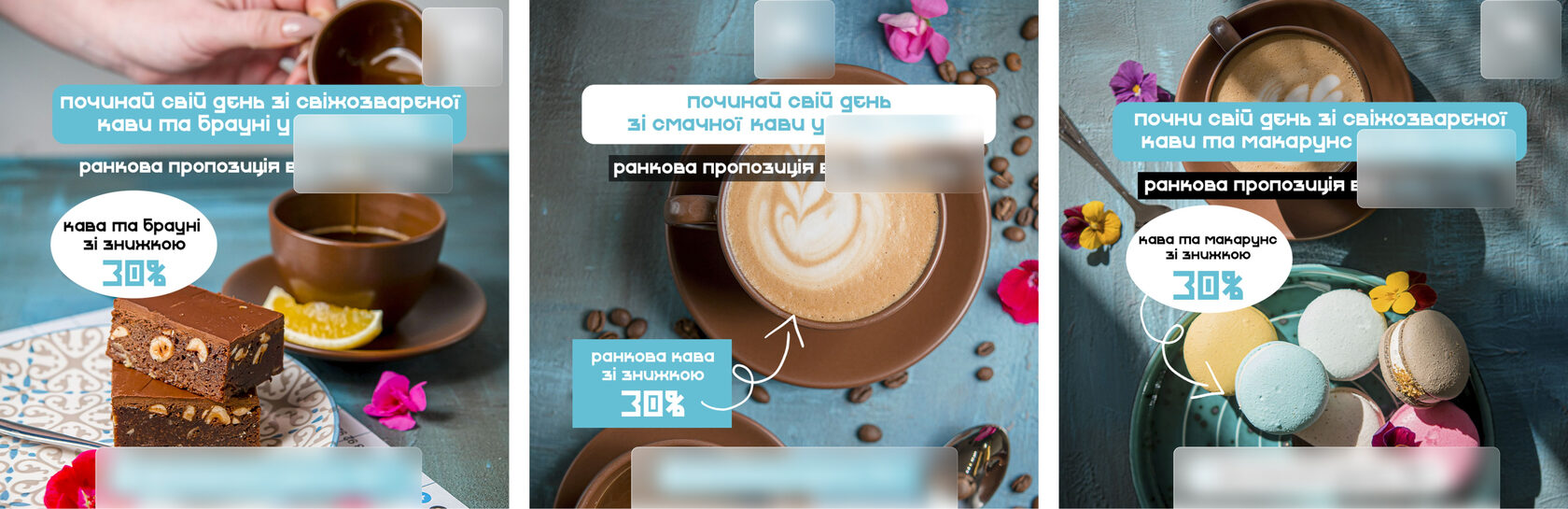
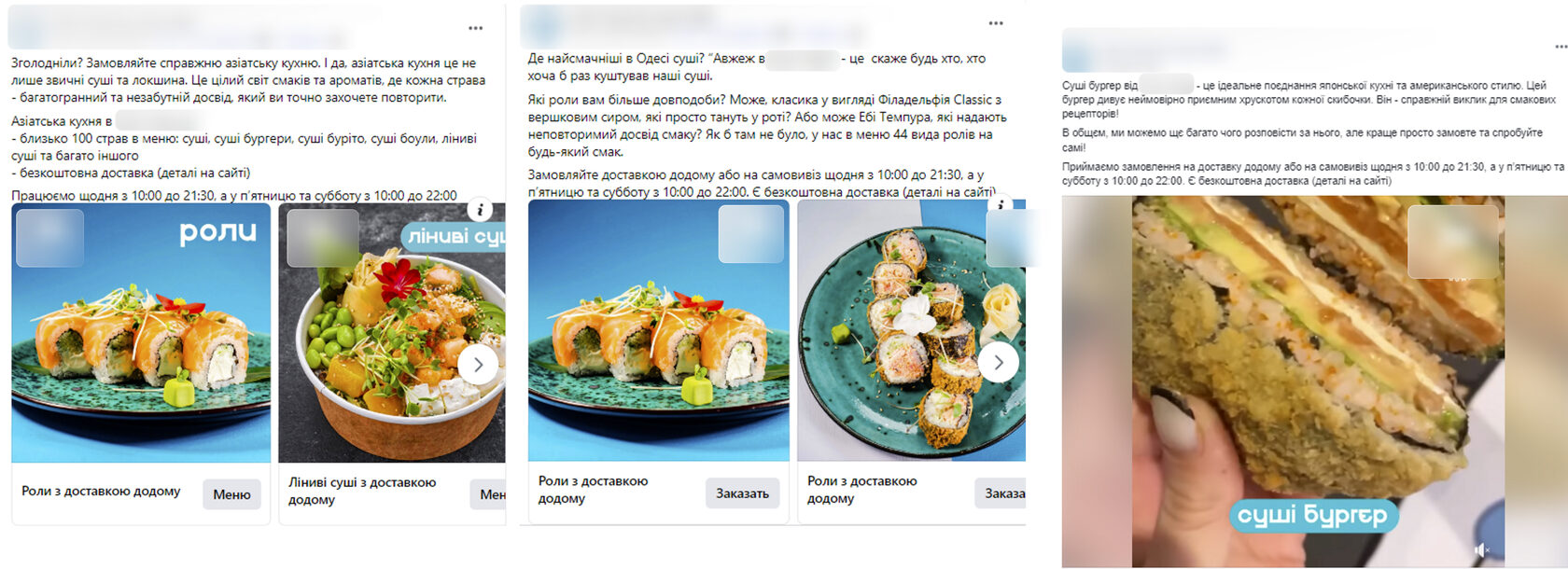
As a solution to the problem, it was proposed to implement a promotion called “Morning Coffee”. The essence of which was that guests could get special discounts for morning coffee and snacks using a promotional code in the advertisement. To increase the number of orders through the website, we used an advertising format with a demonstration of “classic” dishes and “trendy” novelties.
Work on promoting food delivery
Online shopping strategy
Stage 1 – Preparing and setting up campaigns
Our team carefully selected audiences and creative solutions specifically aimed at increasing the number of orders through the website. The focus of creatives was on the quality of dishes, new products, and offline.
Given that video is a more converting format than static images or carousels, we decided to use not only static images but also video in the campaign. That’s why we asked the client to make additional shootings according to the scenarios developed by our marketer.
An important point
It is worth noting that the client had a developed Instagram with more than 20,000 active followers. As part of an advertising campaign, if we have a warm audience, Facebook allows us to run ads on it.
After the war started, all the client’s sales were made only among regular customers, most of whom were subscribed to their Instagram. The client wanted to completely rebuild sales on their website from scratch, so it was decided to run ads only to cold audiences in the first month to attract new customers
We understood that attracting a new customer would cost much more than repeated sales to a regular customer.
Stage 2 – Launch and optimization
We launched advertising campaigns and started the optimization process. After the test period and hypothesis testing, the best creatives were launched to scale the ad campaigns.
Stage 3 – Analyzing the results
Upon completion of the advertising campaigns, we conducted a detailed analysis of the data obtained. Based on the findings, we formulated recommendations for the upcoming launch.
Stage 4 – Scaling up
We continued to work with the campaigns that were bringing positive results. They were subject to a daily budget increase of no more than 30% per day. They also continued to experiment with look-alike audiences and excluded audience overlap.
Offline promotion strategy
Stage 1 – Preparing and setting up campaigns
To promote the offline outlet, it was important to adhere to the geo-targeting and habits of the target audience. The team also developed creatives specifically aimed at promoting offline outlets. The focus was on the special advertising message “Morning Coffee”.
Stage 2 – Launch and optimization
To advertise the offline outlet, we decided to allocate 14 days for the advertising campaign. In the first 7 days after the launch of the advertising campaigns, we did most of the necessary testing of audiences and creatives.
Stage 3 – Analyzing the results
Throughout this period, we took measures to maximize the effectiveness of the advertising, but it turned out that it did not bring the expected results. Therefore, in order to optimize the advertising budget and ensure better results, we decided to terminate the campaign.
Delivery service creatives used
In different advertising sets, we used creatives representing different variants of text and images. For the Offline Point Promotion campaign, we used single-image creatives, as this is the best option for such campaigns:
Results of promotion on Facebook
Key results
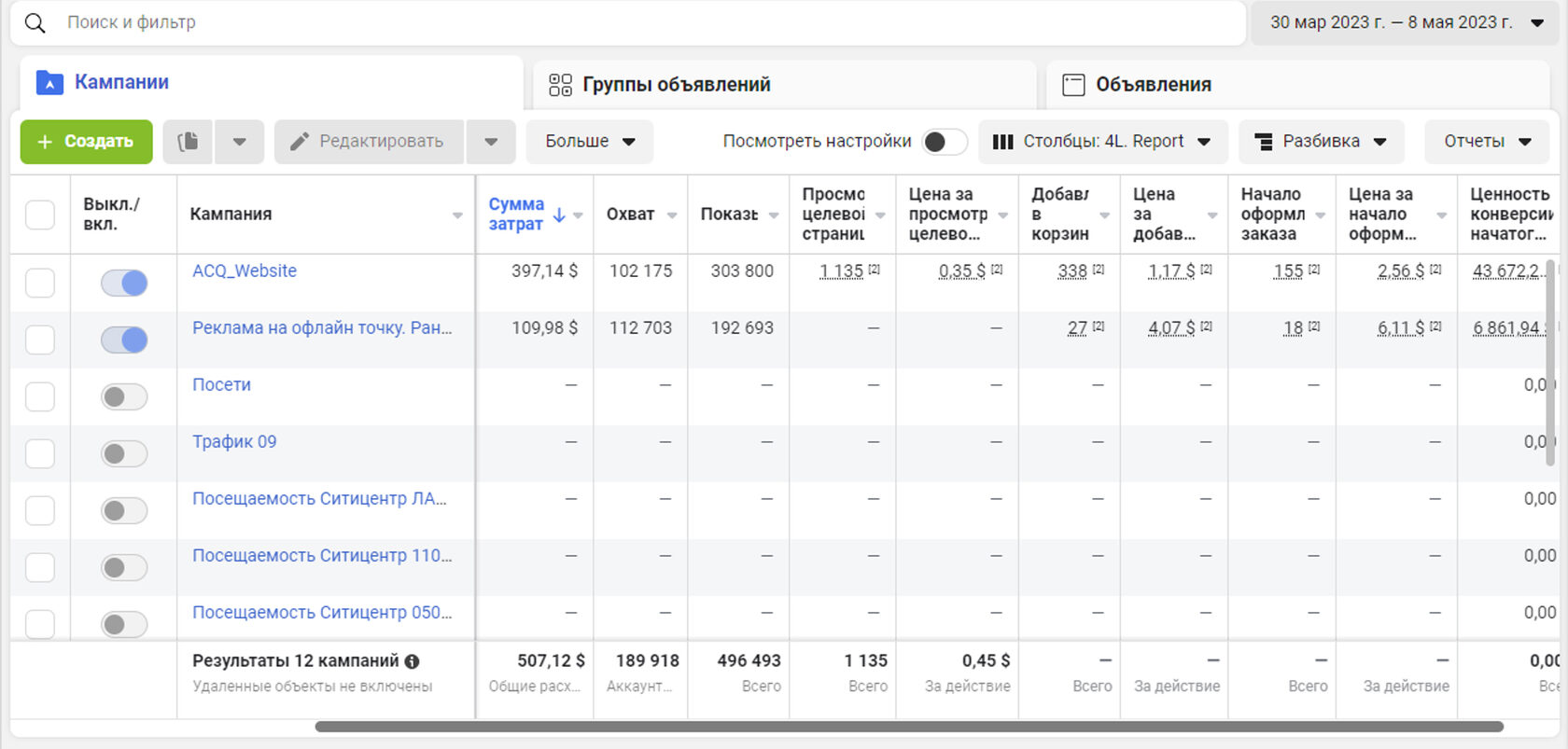
Goal 1: Advertising to promote an offline outlet – the test campaign lasted 14 days. In the case of the promotion, few people used the promo code. This is due to the fact that the establishment is associated more with Asian cuisine than as a coffee shop. However, 18 new customers were acquired, who together made purchases for UAH 6860.
Spent: $109.98 or, 4062.70 UAH
The number of orders left on the site: 18
Average price per order: $6.11
The value of the remaining orders: $185.70 or 6860 UAH
Goal 2: Advertising to attract new customers had the following results:
Spent: $397.14 or, 14662.25 UAH
Orders left on the site: 155
Average price per order: $2.56
The value of the remaining orders: $1179.56 or 43672 UAH
ROAS (return on advertising): 297.85%
Data from the advertising account:
Conclusions
The results of our advertising campaign brought us the following results:
Expansion of the audience for orders on the website: Thanks to carefully designed promotional materials and the optimal choice of communication strategies for channels of interaction with the target audience, we were able to attract a significant number of new customers.
Given that during the first month we worked more with the cold audience and it yielded positive results, we have new hypotheses for scaling the result. We plan to continue working with the cold audience, but introducing new creative solutions and segments.
Increased traffic: Our promotion strategy resulted in an increase in the number of visits to our website and offline outlets. We were also able to increase sales of the client’s product. This indicates that our promotion strategy has proved to be effective and contributes to business development.
The overall assessment of the results of our promotion strategy is positive, and we recommend that we continue to scale our online ordering campaigns.
Cooperation with our team will help strengthen your market position, attract even more new customers, and ensure the company’s continued success.
Do you have any questions?
Our experts are ready to answer them. Leave your contact details. We will be glad to discuss your project!
Book a consultationOther cases
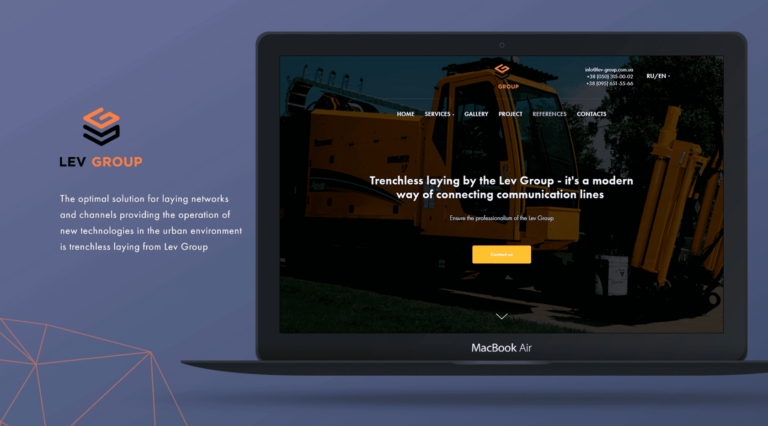
Website development for engineering networks
JWG received an order to create a website for Lev Group, an Odesa-based construction company of engineering networks. The company needed to re-launch its brand to present its services in a clear and favorable way.
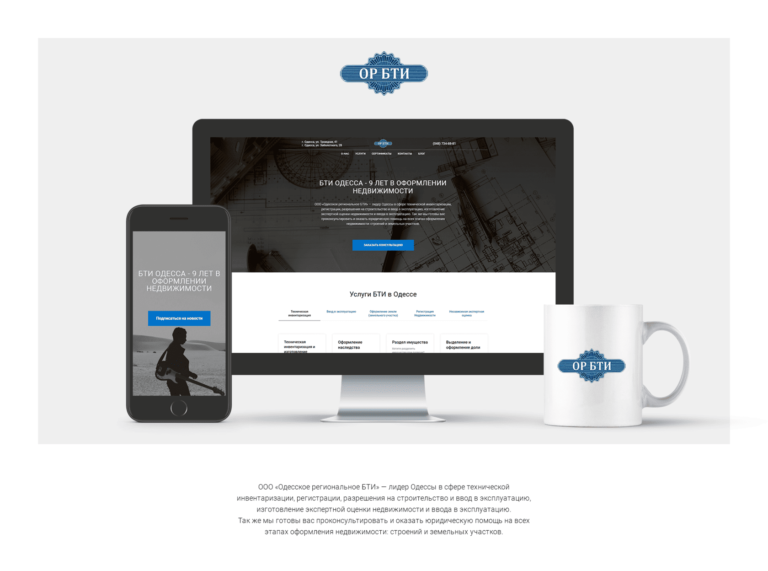
Case study. How to create a selling website and increase sales of real estate and legal services
4Limes was contacted by OR BTI, a company that specializes in providing comprehensive real estate services in Odesa and Odesa region. The company has been helping its clients since 2007.
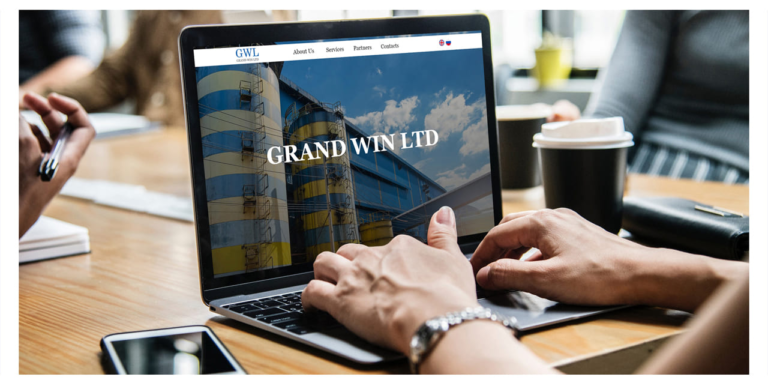
Case study. Website development for industry, GRAND WIN LTD
We were contacted by GRAND WIN LTD, founded 6 years ago in the UK. It is one of the largest companies engaged in trading of oil and fat industry processing products and organization of freight forwarding services in Europe and Ukraine.
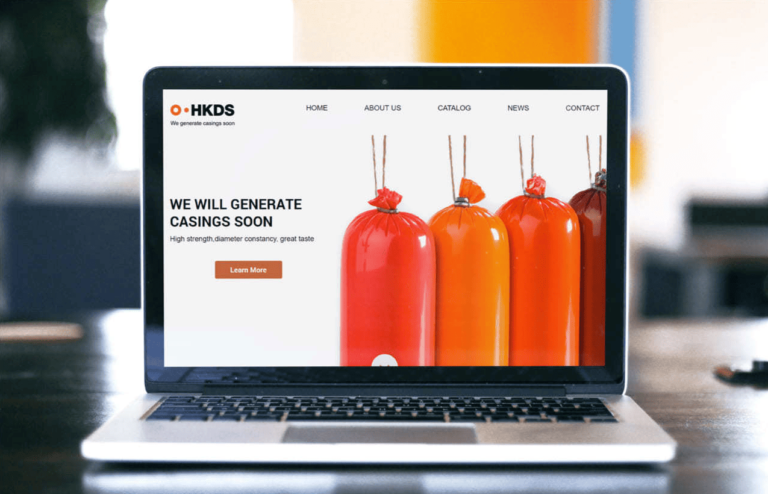
Case. Website development for the company HKDS
Our company was contacted by a client, a representative of the HKDS production. This is a large enterprise for the production of polyamide casings for food products located in Germany. This production is characterized by modern innovative technologies, which ensures competitive potential in the market.
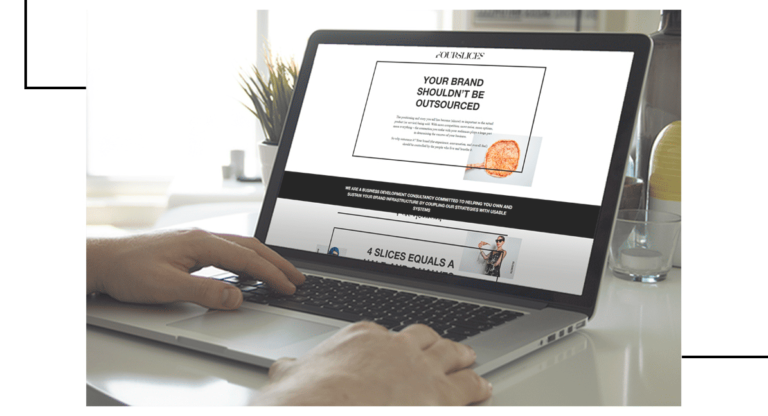
Case study. Creation of a corporate website for an advertising agency from the USA
Fourslices is an international advertising company based in New York (USA). It provides services in the field of online marketing and implementation of digital solutions for business.
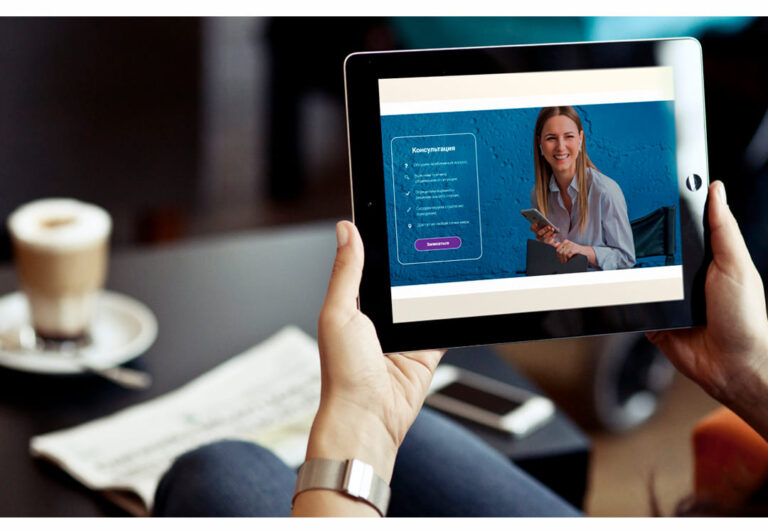
Case study on creating a selling website for a practicing family psychologist
Ira Nemova is a psychologist specializing in family relationships and child-rearing, founder and owner of a private kindergarten. Ira consults and conducts trainings throughout Ukraine.
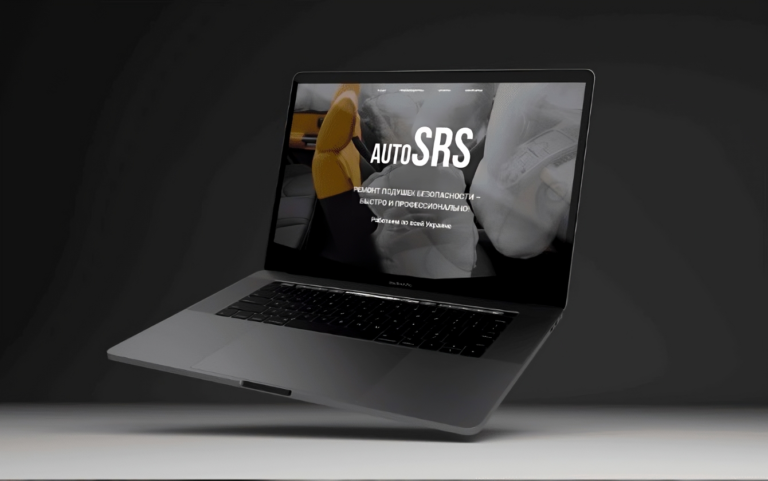
Case study on creating a landing page for an airbag repair center
We were asked to help with online promotion by AutoSRS, a car airbag repair center located in Odesa and operating throughout Ukraine.
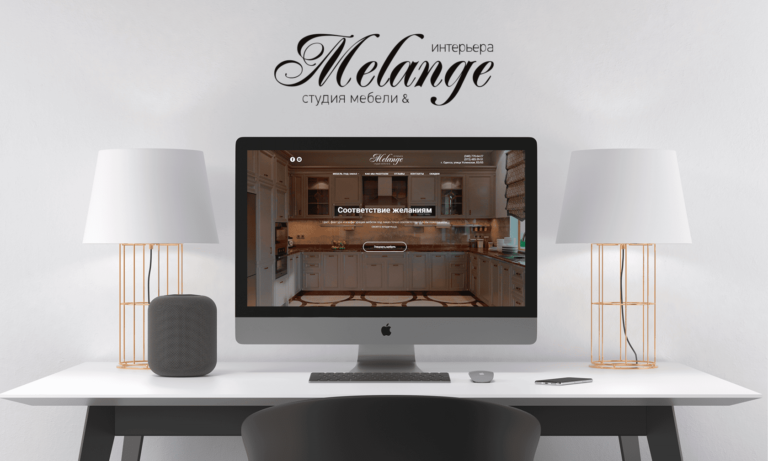
Case study. Creation of a corporate website for the Melange furniture and interior studio
4Limes was approached by Melange, a furniture and interior design studio from Odesa, which operates throughout Ukraine, creating furniture for individual orders.
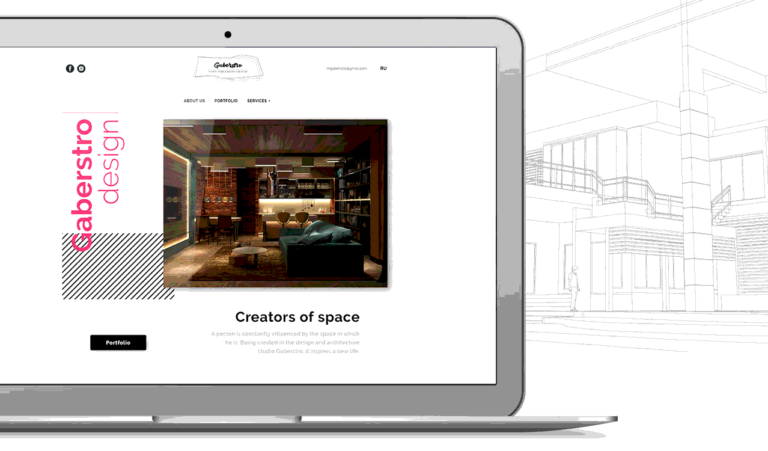
Case study. Creation of a corporate website for the interior and architecture studio Gaberstro
4Limes was approached by Margarita Gaberstro, an interior design and architecture studio. Gaberstro Studio was founded in 2016 in Odesa, but operates throughout the CIS.
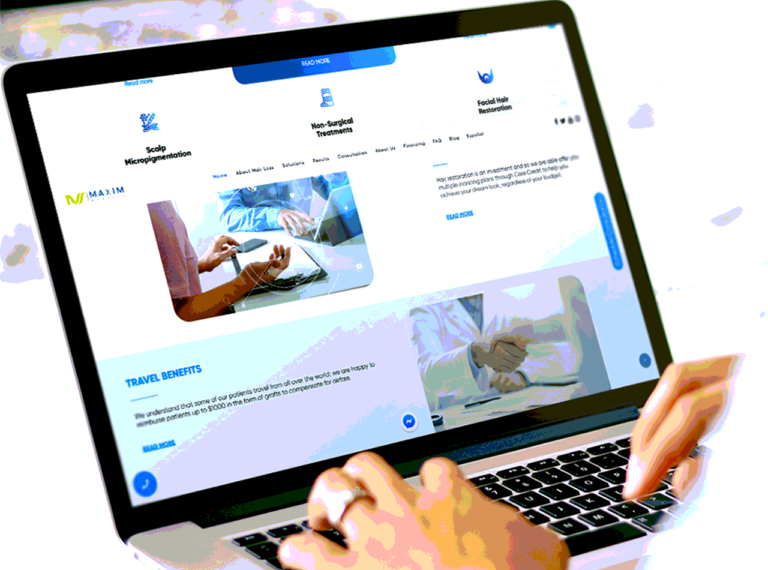
Website development for MaximMedical clinic
Our company was contacted by a client, a representative of the MaximMedical robotic hair transplant clinic. This clinic operates in Florida and is a leading innovative clinic in the US market. The use of the latest technologies, the result and quality of procedures - all this makes it possible to be a leader and fulfill the desires of its clients.